
On This Day in 1776...
Two hundred fifty years ago, British forces evacuated Boston, ending a months-long siege and marking George Washington’s first victory in the fight for independence.
After the Battles of Lexington and Concord on April 19, 1775, British troops retreated to Boston while under fire from Colonial forces and fortified themselves inside the city. Meanwhile, provincial militias from multiple New England colonies under the command of General Artemis Ward occupied the surrounding towns, trapping the British in Boston and preventing them from further attacking the countryside. Thus began the Siege of Boston; an 11-month military stalemate between Colonial and British troops.
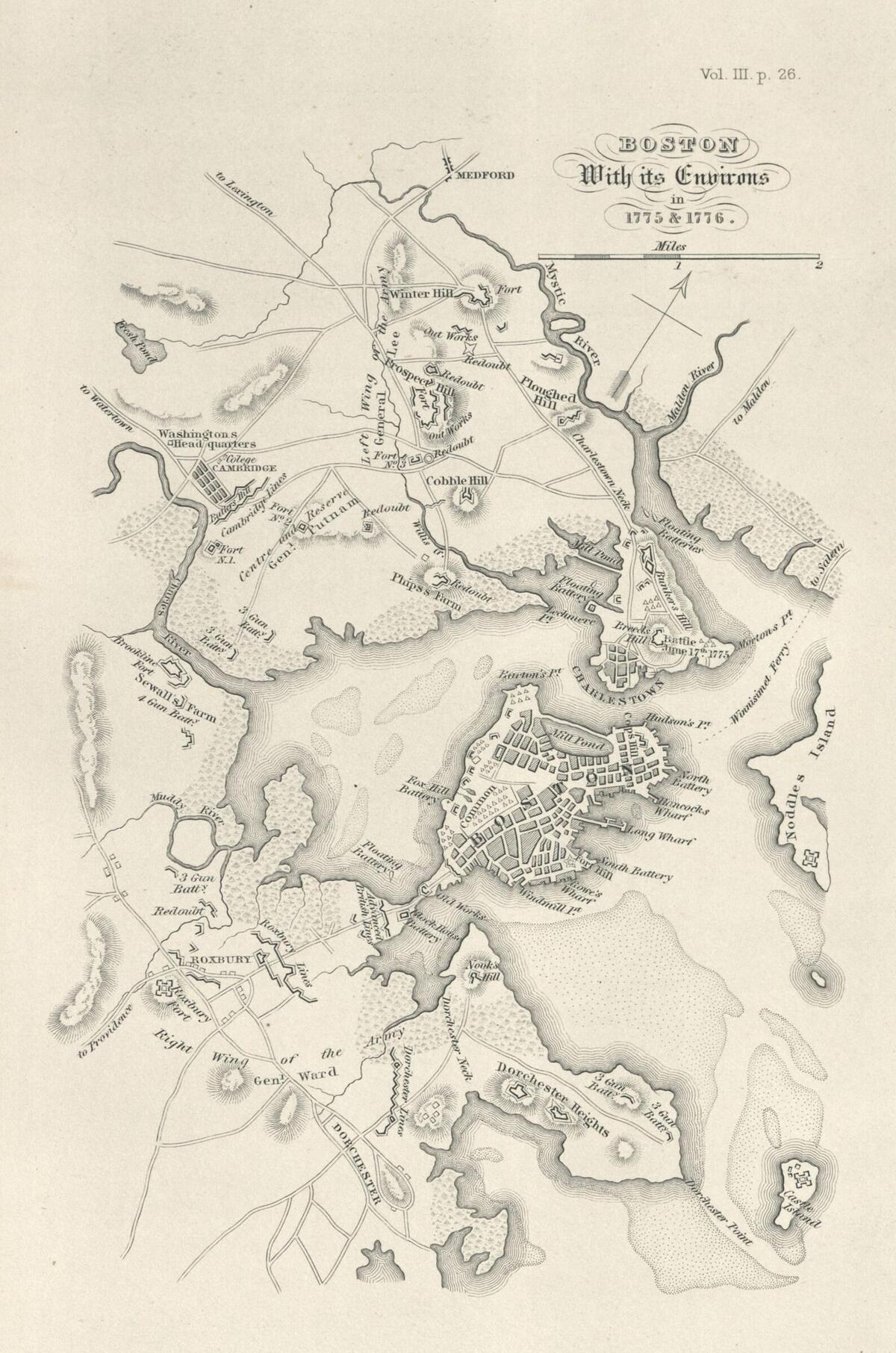
At this time, Boston was a peninsula and connected to the mainland in Roxbury by a narrow strip of land known as the Boston Neck. British troops and Colonial militias both placed cannons and guards on the neck to prevent one side from storming the other. The siege prevented the British forces from moving by land, but left the harbor open. The Royal Navy was able to bring in supplies from Nova Scotia and other places under their control. Colonial forces were not able to stop the Royal Navy, but privateers harassed the supply ships; sinking them, stealing their cargo, or forcing them off course. This caused shortages for the British and civilians remaining in Boston. In an effort to alleviate the shortages, British General Thomas Gage ordered troops to take livestock, hay, and other resources from the Harbor Islands, leading to several skirmishes with Colonial forces including the Battle of Grape Island and the Battle of Chelsea Creek in May 1775. The siege was aided by the Patriots’ ability to gather intelligence on what was happening in the city from spies and civilians fleeing the privations.
The British forces in Boston received multiple reinforcements and their numbers reached 6,000 by the end of May. Generals Gage, William Howe, Henry Clinton, and John Burgoyne hatched a plan to break the siege by seizing unoccupied land on the Charlestown peninsula and Dorchester Heights. The Committee of Safety got word of the plan and on June 15th they ordered General Artemis Ward to defend the area. On the night of June 16th, Colonel William Prescott led 1,200 men to Charlestown and built fortifications on Breed’s Hill. British forces under the command of General Howe took the Charlestown peninsula in the Battle Bunker of Hill on June 17th. The British won the battle, but sustained heavy losses and abandoned their plans to seize Dorchester Heights.
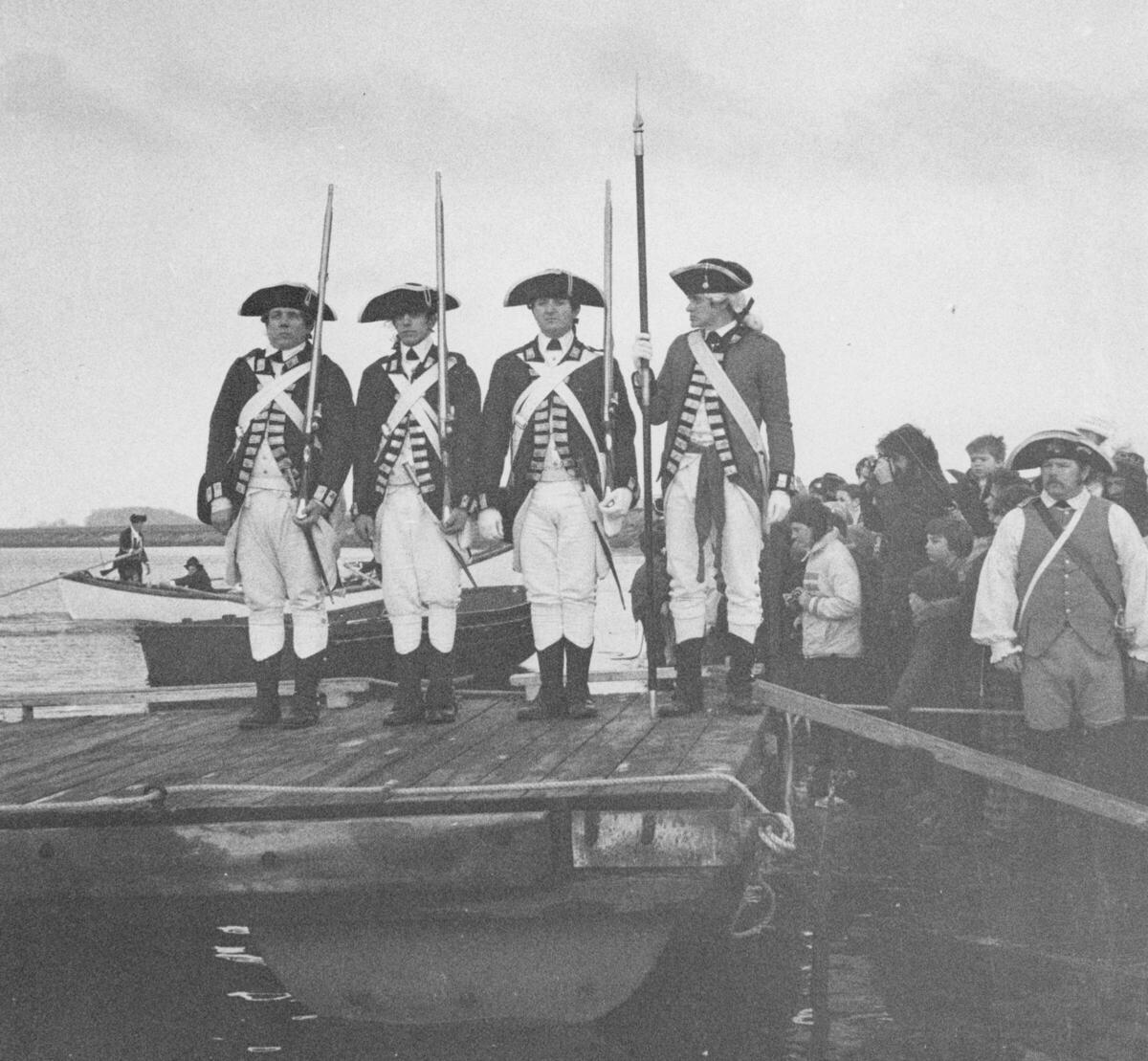
On July 2nd, General George Washington arrived in Cambridge to take control of the newly formed Continental Army. Washington reorganized the militias into a more unified force and refortified their defenses on the Boston Neck and siege-line surrounding the city. Throughout the summer and fall, the Continental Army clashed with British troops in several skirmishes and raids at Lechmere Point, Boston Light, Long Island, and more. Washington was able to maintain the siege, but lacked the fire power to complete his primary objective: driving the British out of Boston.
On November 16th, Washington ordered Henry Knox to travel to Fort Ticonderoga in upstate New York to retrieve cannons and other heavy artillery. The fort was captured by Benedict Arnold and Ethan Allen the previous May, with all of its cannons and ammunition intact. Despite delays due to rough terrain and adverse weather, Knox successfully transported 59 pieces of heavy artillery, weighing 60 tons, on a 300 mile journey from Fort Ticonderoga to Cambridge, known as the Noble Train of Artillery. He arrived in Cambridge on January 25, 1776. Some of the new cannons from Ticonderoga were placed in multiple defensive positions surrounding Boston including Cobble Hill and Lechmere Point in Cambridge and Lamb’s Den in Roxbury.
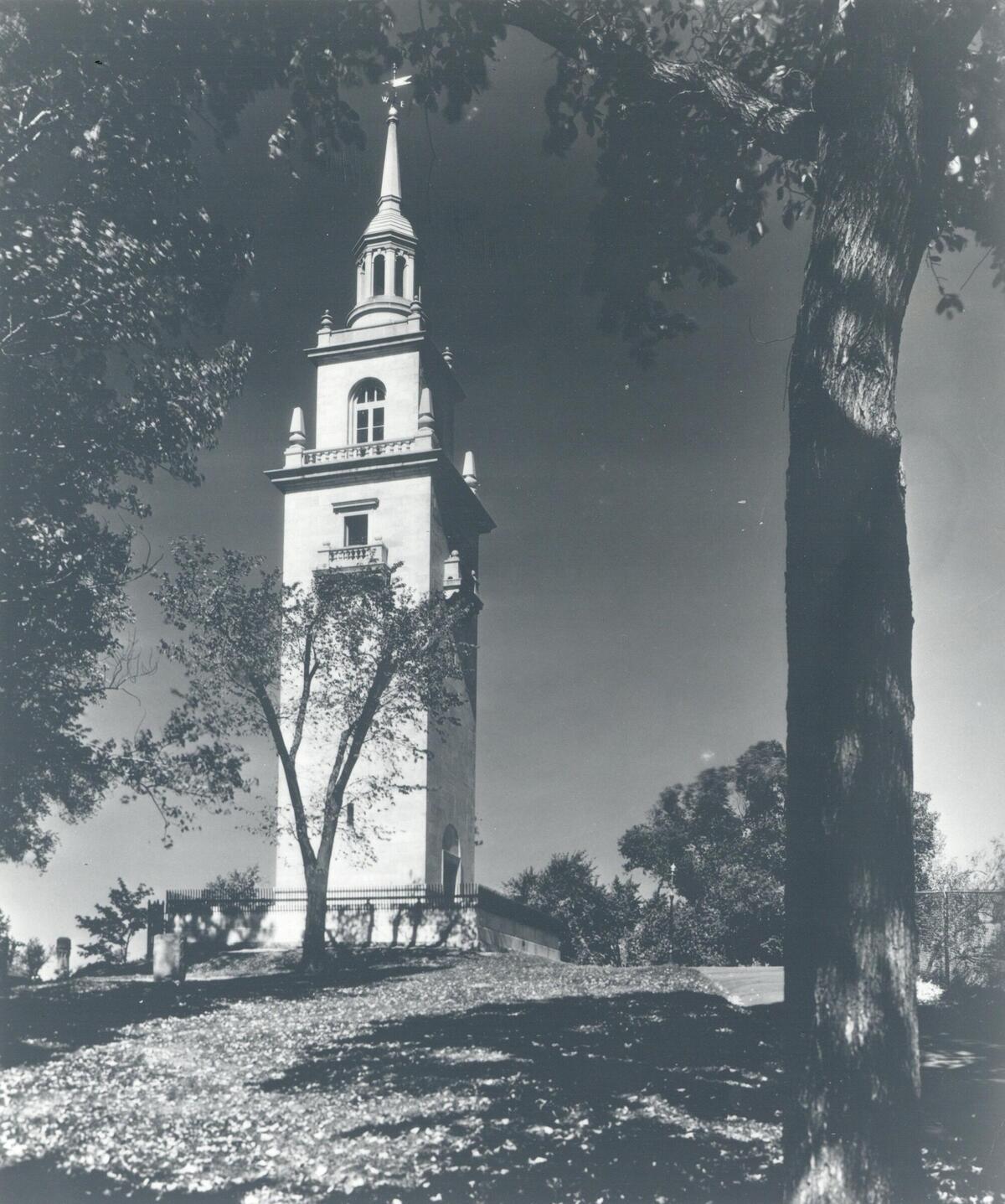
In February, Washington proposed a direct attack on Boston by rushing over the frozen Charles River from Roxbury. His officers advised against the attack, so he devised a plan to fortify Dorchester Heights instead. The ground was frozen, rendering the construction of a redoubt impossible. Rufus Putnam engineered prefabricated and portable defenses made of heavy timbers and fascines (a rough bundle of brushwood or other material used to strengthen an earthen structure). On the evening of March 2nd, the newly placed cannons in Cambridge fired on Boston. The barrage was repeated the next two nights to distract the British while the Continental Army constructed the defenses and prepared to move on the heights. Overnight on March 4th, Continental General John Thomas and an estimated 2500-3000 men hauled many of the Ticonderoga cannons and the prepared defenses to the summit of Dorchester Heights.
General Howe, who had assumed command of the British army in Boston in October 1775, and the British forces were shocked to find the newly installed defenses on the morning of March 5th. Howe knew that if he wanted to remain in control of Boston, the Continental forces would have to be removed from the heights. The cannons threatened the British fleet in the harbor and would prevent them from resupplying their troops. Howe and his officers planned to attack Dorchester Heights by ferrying troops to their garrison at Castle William on Castle Island, crossing the channel to Dorchester, and assaulting the Continental defenses from the east. However, a nor’easter disrupted those plans. The adverse weather conditions made ferrying the troops to Castle Island impossible. Because of the threat the Continental fortifications on Dorchester Heights posed to the British fleet, General Howe believed he now only had one choice: evacuate Boston.
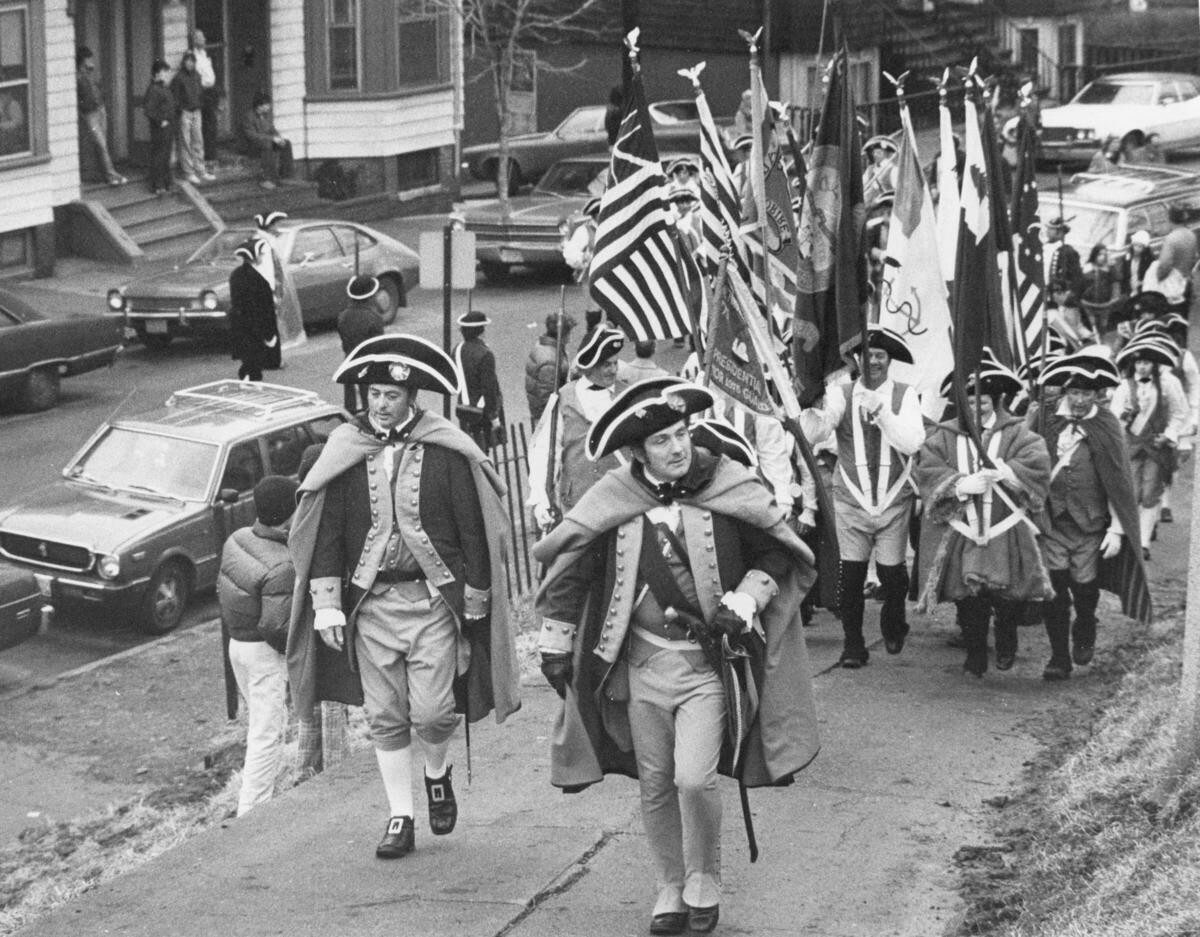
Generals George Washington and William Howe reached an unofficial agreement: the British troops would not ransack or damage the city as they left as long as Washington and his troops allowed them to leave peacefully. On March 17, 1776, 11,000 British soldiers and Loyalists sailed from Boston to Nova Scotia and the Continental Army retook the city. Evacuation Day is an official holiday observed on March 17th in Suffolk County, Massachusetts.
Sources:
https://www.revolution250.org/250th-commemorations/evacday/
https://www.meetboston.com/blog/post/evacuation-day/
https://www.sec.state.ma.us/divisions/state-house-tours/did-you-know/Evacuation-Day.htm
https://www.wbur.org/news/2025/03/14/evacuation-day-history-boston-massachusetts-revolutionary-war-newsletter
https://www.battlefields.org/learn/revolutionary-war/battles/boston
https://www.masshist.org/online/siege/index
https://www.nps.gov/articles/000/siege-of-boston-overview.htm
https://www.nps.gov/articles/000/fortifying-dorchester-heights.htm
https://www.nps.gov/articles/000/evacuation-of-boston-1776.htm
- Last updated:
-

- Last updated:
-
