
Domestic, Sexual, and Gender-Based Violence Prevention Initiative
We strive to create an inclusive, trauma-informed, and equitable environment that fosters a collective response to and prevention of domestic, sexual, and gender-based violence.
While we do not provide direct case management services to survivors, the Domestic, Sexual, and Gender-Based Violence Prevention Initiative serves as a vital resource for community-based organizations. We offer training, education, and capacity-building to strengthen prevention and response efforts across greater Boston.
-
-
Questions? Contact us:
-

-

We are not direct service providers. If you or someone you know needs direct case management, please refer to the Resources section.


What is Gender-Based Violence?
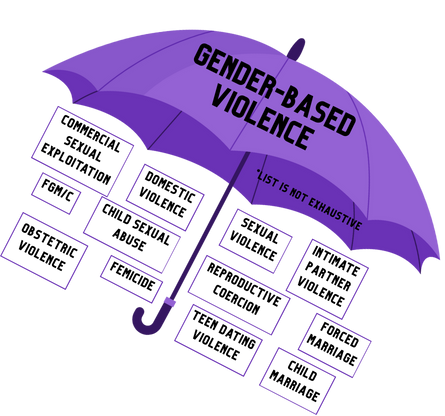
Gender-based violence (GBV) is an umbrella term that encompasses any harmful action or threat directed at someone because of their sex, gender identity, or how society expects them to act based on their gender or sex assigned at birth. Other types of violence that fall under this umbrella term include but are not limited to: Domestic Violence, Sexual Violence, Child Sexual Abuse, Commercial Sexual Exploitation, Intimate Partner Violence, and Teen Dating Violence.
Resources
Get a Copy of a Police Report
Learn how to request a copy of a police report by email or in person.
Resource Map
A resource map housed on Jane Doe Inc. and created in collaboration with the City of Cambridge. Shows resources and services available in your area.
General Resource List
A non-exhaustive list of general resources and links to them, including community-based prevention, domestic violence services, LGBTQ+ services, sexual assault services, support services, trafficking and youth services, and more.
Legal Resource List
A non-exhaustive resource list with different legal resources including court support and legal advocacy, family law, general and legal guidance and referrals, immigration legal help, guidance courts and restraining orders, and more.
DCF Mandated Reporter's Guide
This guide from DCF includes information such as who a mandated reported is and their responsibilities, definitions of abuse and neglect, and what happens after a report is filed.
DCF Protective Services Guide
A guide from DCF with questions and answers about protective services, such as what happens when a DCF social work visits your home, what if I don't want to talk to the social worker, some of the rights a parent involved with DCF has, and more.
Training Offerings
Core Training Offerings
Training Institutes are free and open to all providers serving children, young people, adults, and families. They involve multiple sessions and their length ranges from a total of 12 to 21 hours. Trainings are offered online and in- person. Trainings are usually held once a year and are on a first come, first serve basis.
Training offerings include:
- Trauma, Domestic Violence, and Resilience Training Institute
- Trauma, Resilience, and Racial Equity Training Institute
- Trauma-Informed Equitable Supervision Training Institute
To learn more about our training institutes, email DSGPI@BPHC.org.
The Domestic, Sexual, and Gender-Based Violence Prevention Initiative works with the Capacity Building and Training Initiative to offer these three Training Institutes.
Check back for updates on the next offering of each institute.
Upcoming Training Institutes:
Domestic Violence, Trauma, and Resilience Training Institute
This three-session training institute is for community embedded providers and is aimed to provide foundational knowledge and practice tools related to trauma-informed & equitable approaches when supporting survivors of domestic and sexual violence. The goals of this training include developing a shared understanding of trauma and multiple forms of violence, deepen your understanding of trauma-informed and equitable principles, exploring your own stress responses and healthy coping strategies, and identifying dynamics of domestic/intimate partner violence and resources to support survivor safety and well-being.
- Session 1 (In-person): Tuesday, October 20, 2026 from 9:30 a.m. - 4 p.m.
- Session 2 (In-person): Tuesday, October 27, 2026 from 9:30 a.m. - 4 p.m.
- Session 3 (In-person): Tuesday, November 3, 2026 from 9:30 a.m. - 4 p.m.
Location: The training will be held in Roxbury. (Address provided upon registration. Lunch will be provided.)
For more information and to register, check out the flyer.
Organization-Specific Training
We partner with organizations to create customized training, adapted from core offerings, to fit specific needs. There are two formats:
- Short Workshops (90 mins - 4 hours): Basic concepts and skills.
- Extended Series (6+ hours): Advanced knowledge and practice skills.
Once the form is completed, our team will review and respond within 3-4 weeks. We typically require at least 6 weeks from request to delivery, depending on level of adaptation and team capacity.
Publications
PublicationsCity Council Hearings
HearingsMarch 12, 2026
Order for a hearing to discuss progress and opportunities for addressing drink spiking and Drug-Facilitated Sexual Assault.
Photo Album
About the Domestic, Sexual, and Gender-Based Violence Prevention Initiative
About UsOur initiative is rooted in a public health approach that views violence as preventable—not inevitable. Just as public health strategies have successfully reduced lung cancer, waterborne illnesses, and traffic fatalities, we believe similar principles can be applied to preventing violence before it occurs. Gender-based violence does not exist in isolation. It is deeply connected to community violence, gun violence, state violence, and the broader structural inequities that shape where and how people live, work, learn, and heal. That’s why our prevention strategies must be just as interconnected—working across systems and at every level of prevention, intervention, and response.
Our Mission: We strive to create an inclusive, trauma-informed, and equitable environment that fosters a collective response to and prevention of domestic, sexual and gender-based violence. Our goal is to support all survivors—particularly BIPOC communities, LGBTQ+ folks, women, girls, young people, immigrants, incarcerated folks, and those with disabilities and/or currently unhoused—by advocating for and supporting the provision of culturally responsive and linguistically accessible resources that aid in their healing, while also challenging the systemic inequities, including patriarchy, racism, and all forms of oppression, that perpetuate gender-based violence.
Our Vision: We envision a greater Boston where every person, particularly those targeted by systemic inequities, experience safety, empowerment and has access to the support and tools they need to heal from gender-based violence and thrive.
- Advance survivor-centered and data-driven priorities by building accessible data infrastructure and collecting input from residents and providers through Gender-based Violence landscape assessments, regular convenings, and community-driven feedback. This ensures continuous engagement, better services, and actionable information to guide prevention and response efforts.
- Strengthen trauma-informed and equitable training, education, and capacity-building for service providers across key sectors—including early childhood education, higher education, housing, faith-based and youth-serving organizations, immigrant services, and reentry programs – to better support survivors. At the same time, we will prioritize workforce wellness by supporting the mental health, self-care, and professional development of those working to prevent and respond to GBV.
- Promote policy change that supports survivors, with a focus on addressing root causes of violence through policies that expand economic stability, housing access, equitable child welfare practices, and trauma-informed mental health supports.
The Domestic, Sexual, and Gender-Based Violence Prevention Initiative was formed through the City of Boston's Plan to End Violence. Over the course of 16 adult and youth listening sessions across Boston, over 500+ resident engaged with us and we heard the need to re-envision the way the city of Boston approaches the prevention of gender-based violence.
-
-
Questions? Contact us:
-
-
We are not direct service providers. If you or someone you know needs direct case management, please refer to the Resources section.
