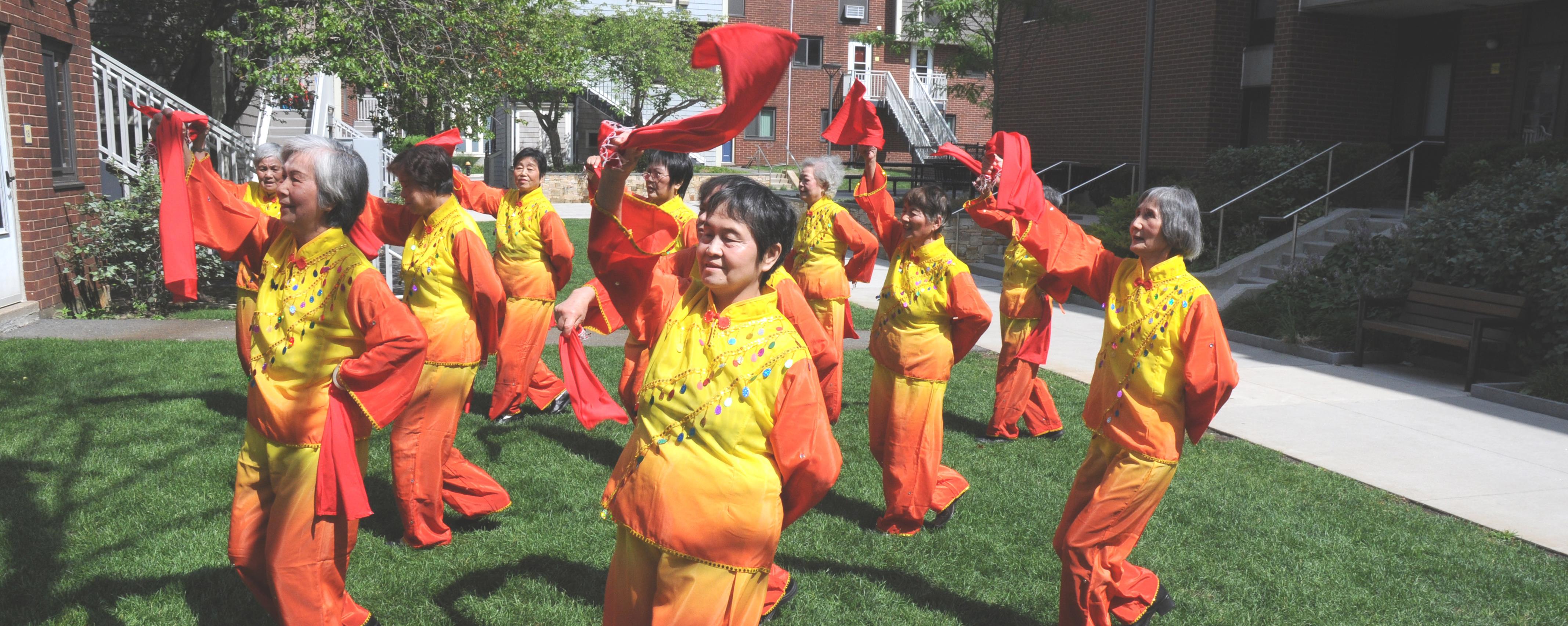
Boston Artists-in-Residence (AIR)
We’re relaunching the Boston AiR program with an innovative new program design to support arts and civic practice in Boston.
We are relaunching the Boston Artists-in-Residence (AiR) program! The Mayor’s Office of Arts and Culture will work with a team of artists and consultants to reimagine the Boston AiR program design. This team will design an artists-in-residence program that is reflective of our mission to create a thriving, generative, and creative city for artists and Boston residents.
-
Have questions? Contact:

Fill out this survey to share your thoughts on how government and artists can collaborate. Your feedback will help shape the next iteration of the Boston Artist-in-Residence program.
Explore Past AiR Projects and Reports
Beginning in 2015, the Boston AiR program embedded Boston-area artists in the City government for their residency terms. We paired artists and City employees who shared deep investments in community and social justice to imagine a more creative, equitable, and responsive city government.
The artists brought artistic expertise and experience with creative approaches. Artists-in-residence co-designed projects with their City partners to test and implement new approaches to City policies and processes. These projects often responded to the social and political context of that year.
In 2024, we continued our support of seven AiR projects through the AiR Continuity Fund to sustain the work begun during the residency and broaden its reach and impact.
An overview of the program
Learn about how the Boston AIR program works.
Meet the 2020-2021 cohort
Meet the last cohort of Artists-in-Residence.
Meet previous artists
Watch a video about previous artists in the program.
Boston Artists-in-Residence: 'Artistic Practice, Civic Outrage, and Strategic Change'
The fourth cohort of artists presented their projects and participated in a panel discussion about their work over the 15 months of their residencies.
Former Artists-in-Residence
Former AiRs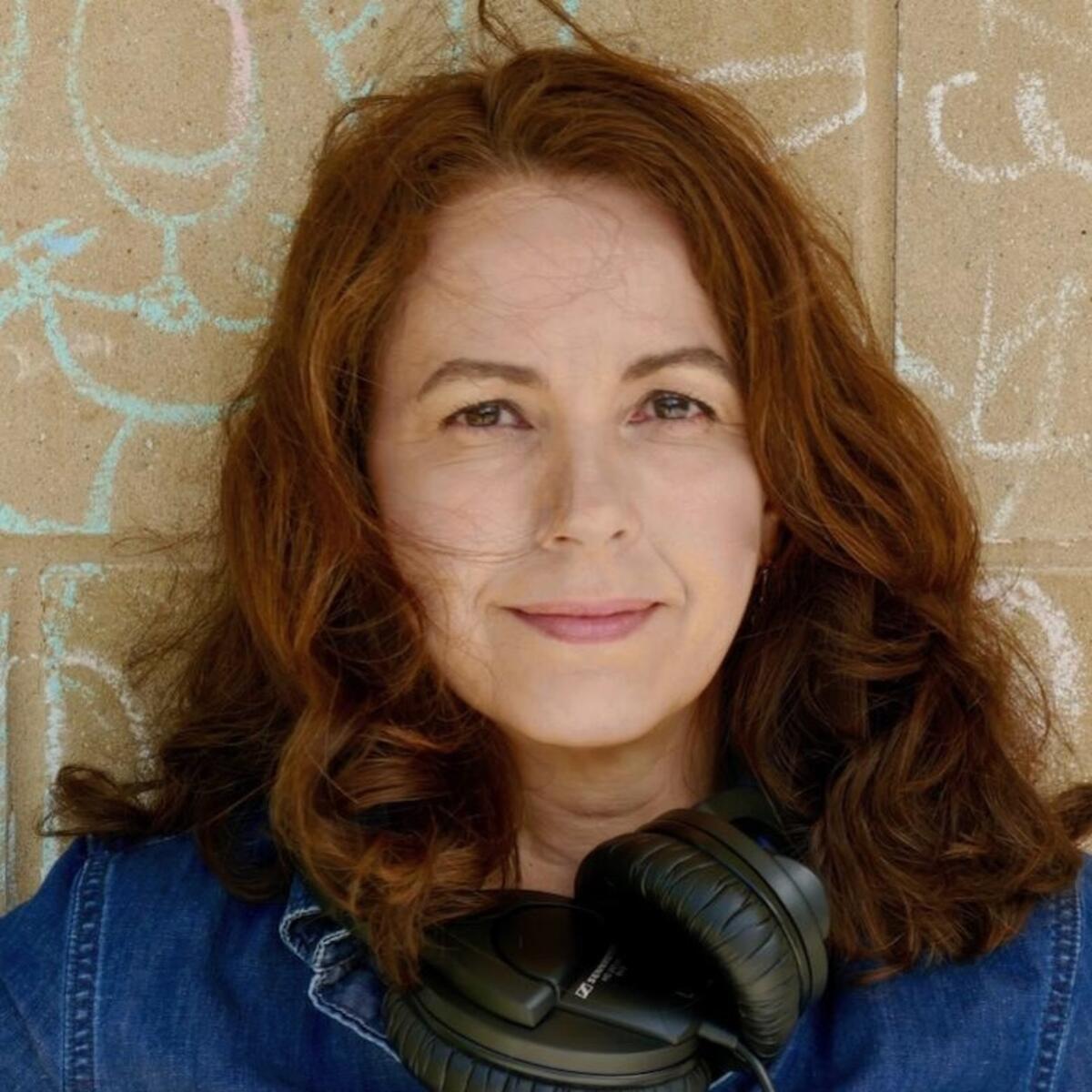
Heloiza Barbosa
Artist-in-Residence | Cohort 5, 2022-23
Heloiza Barbosa is an audio-documentarian, podcast producer, audio editor, writer, teacher, and a former housecleaner. She was born in the Amazon and first migrated to the US in 1994. She creates, hosts, produces, edits, and writes for the award winner podcast FAXINA. Heloiza is committed to share stories that uplift the presence and important work of people of color, women, queer individuals, and immigrants. She is committed to share stories that build solidarity and challenge oppression.
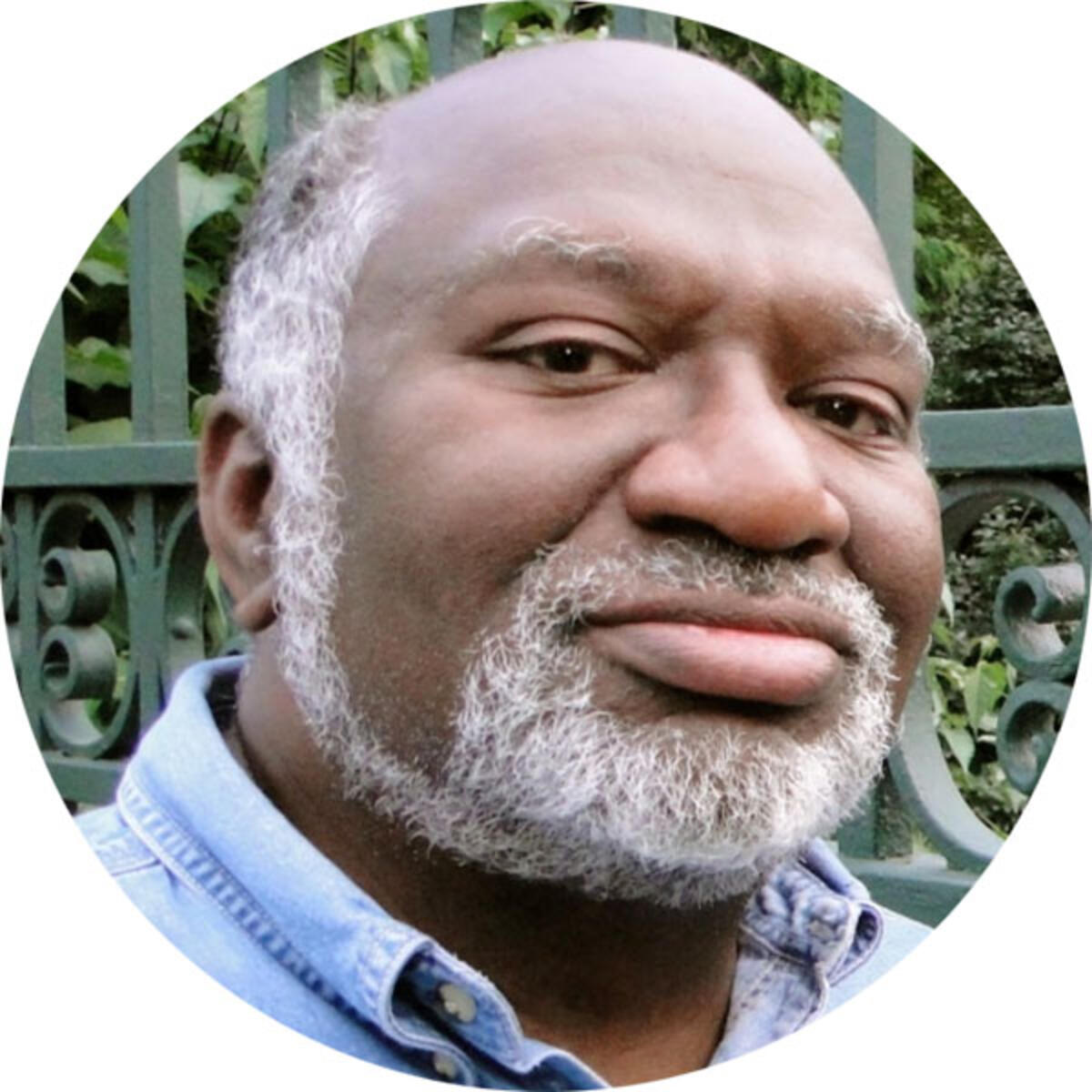
Charles Coe
Artist-in-Residence | Cohort 2, 2016-17
Writer and artist Charles Coe worked on a community based story collection called “What You Don’t Know About Me” Charles collected stories from people who live and work in or near Boston’s Mission Hill. The project highlights some aspect of the storyteller’s life that might surprise someone meeting her or him for the first time. These stories are joined with photographs to produce a series of stand-alone photo essays in which the contrast between the story shared and the visual image challenge the viewer's preconceptions.
Boston AIR project
"What You Don't Know About Me" is a photo essay by Boston AIR Charles Coe. Charles's residency explored the cognitive dissonance that sometimes occurs after a conversation with a stranger.
Portraits accompanied by interviews allow viewers to know more about their neighbors, reminding us all that we're complex and variegated individuals with rich and unexpected narratives. Charles met with community members, diligently collecting their stories to unearth community gems.
Throughout his residency, he learned that often the most interesting people don't know that they're interesting. For Charles, it is the role of the artist to help unseen stories find light and to ensure that unheard voices are raised.
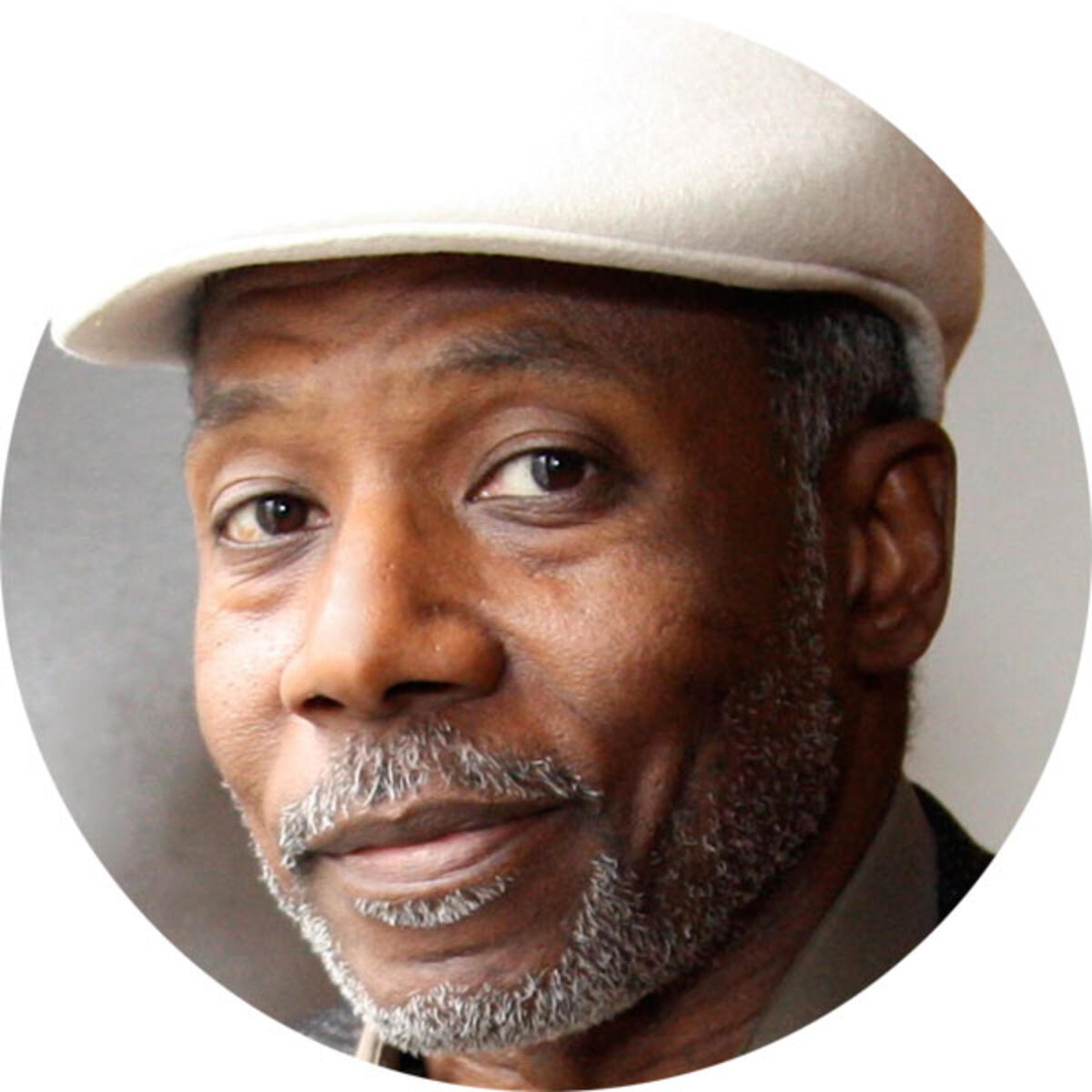
Cornell Coley
Artist-in-Residence | Cohort 2, 2016-17
Percussionist Cornell Coley fostered community relationship building through drum circles in Roslindale, including the BCYF itself and in the larger community. He organized a series of music concerts in the neighborhood, while also strengthening his craft. Part of his residency focused on connecting seasoned musicians with youth to pass on the experience and skill. This was done through local pop- up events that provided a space for honest interactions through art and showcased the physical potential that Roslindale has to be a vibrant art scene by utilizing abandoned storefronts. He provided an inclusive creative space where residents could connect through communal music-making.
Boston AIR project
I do believe that an artist can have influence on city policy making. I don’t think it’s so new. I think that the artist who is effective can show possibilities that people didn’t think about before, can show how you can merge working styles that didn’t seem to work, how you can build trust, how you can get people to walk in the other person’s shoes and see things from another perspective. I think an artist can illustrate similarities between groups and help them to understand that they’re not so different from each other.
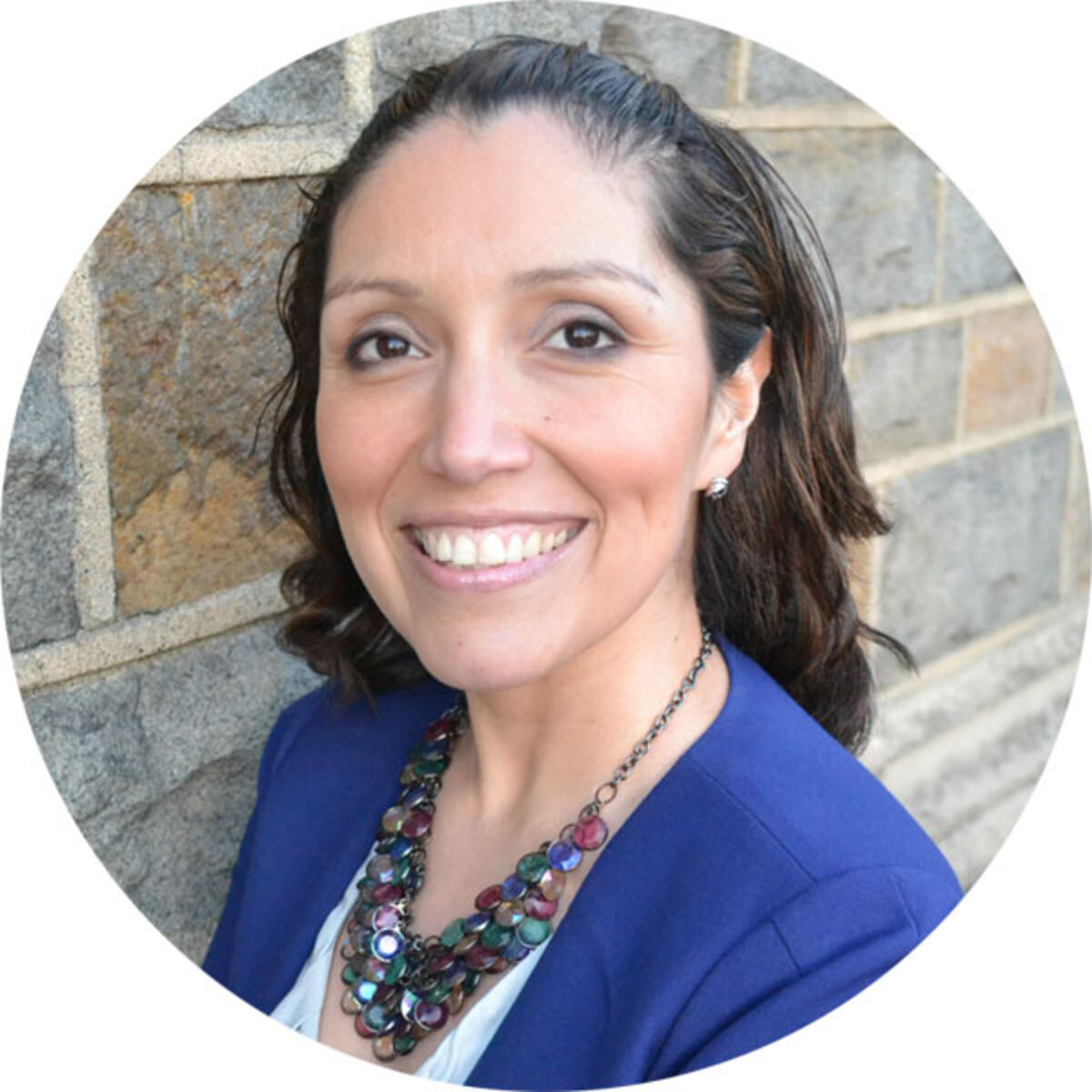
Jennifer De Leon
Artist-in-Residence | Cohort 2, 2016-17
Jennifer De Leon led an exploration of racial and class segregation and its impact on education and student identity as explored through the lens of storytelling. She investigated walls, their impact on communities, and the power of story to break through those walls. As part of her project, she organized a community write-in in Jamaica Plain. Residents came together using the power of the written word to examine and share through an open mic their relationships with issues of identity, culture, and belonging.
Writing has always been such a solitary act in my mind, it was something I did alone, privately. I would write but not necessarily share it. But as I evolved as an artist and writer, I started to see my role differently, this program just amplified that. The fact that the program intersected with the year that we’re in politically I just felt like it turned up the dial. My role as an artist wasn’t a selfish task that I did in the corner of my room, it was something I needed to take in a broader scale to allow other people to amp up their voices.
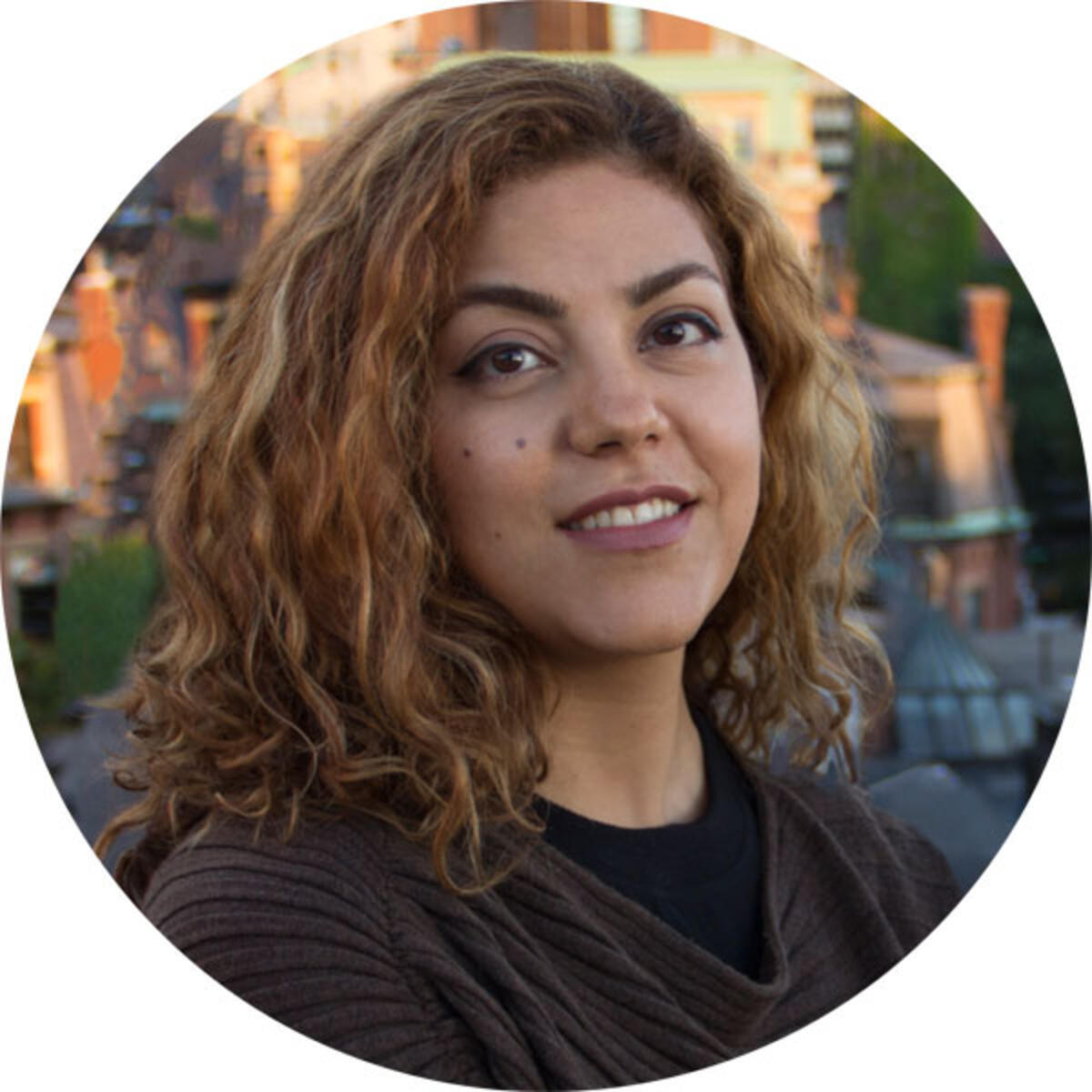
Rashin Fahandej
Artist-in-Residence | Cohort 2, 2016-17
Rashin Fahandej’s residency centered on the role of community members as creative collaborators and agents for systematic change. Her projects explored alternative modes of documentary filmmaking focused on co-creation by increasing equity through educational art and media programs. She piloted models for sustainable media and art programs for ages 5 to 19 at Blackstone Community Center at South End. During her residency she worked with her BCYF community to engage her youth as active participants in teaching and mentoring. Partnering with other artist and academic institutions, using multimedia and new technologies such as 360 cameras and crowd sourcing platforms her project creates an ecosystem for ongoing participation.
Everybody in the community who shares something with me, they know what they want to say, and they know how to say it. It’s just the tool, like media is a tool. If the have access to the tool, they can tell their own stories, and they can have impact on their own culture, and they can hear each other’s stories, and they can reflect on them. That’s why I was interested in tool sharing and programming, because I felt it was essential. We need the tools, and we need the platform for everybody equally, not for certain people in the community.
Boston AIR project
Pat Falco
Artist-in-Residence | Cohort 4, 2020-21
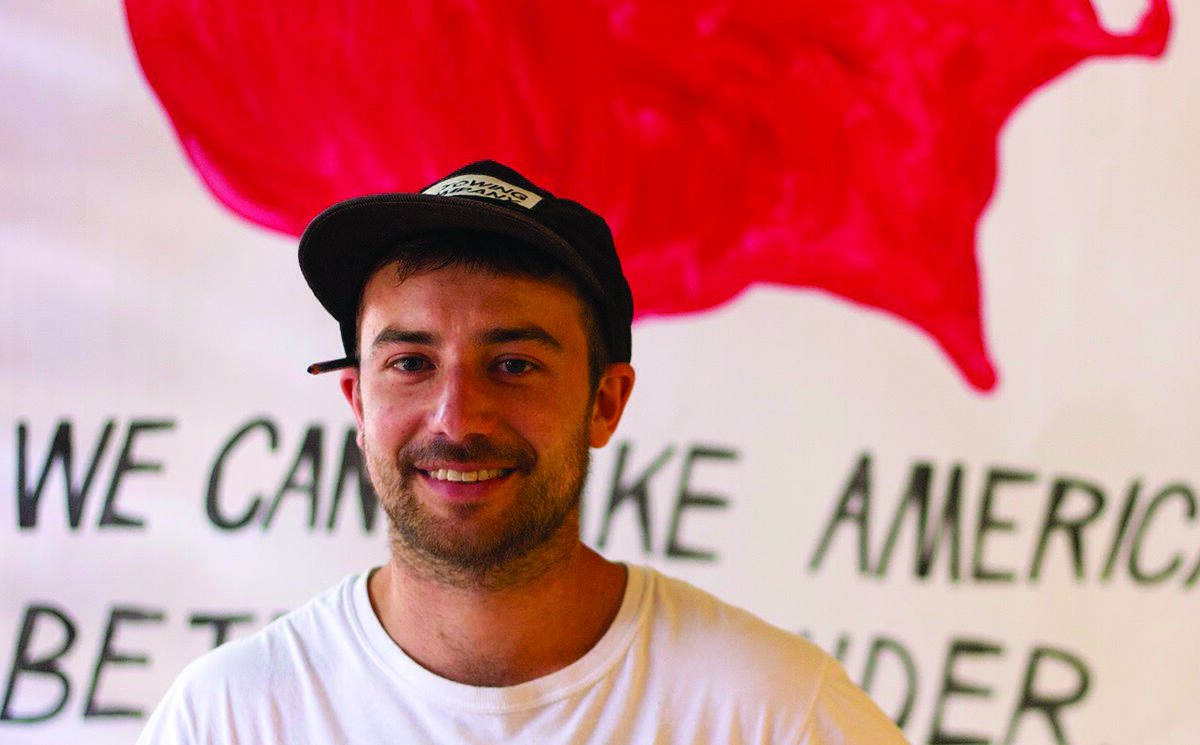
Pat Falco is an artist and organizer from Boston. He received his BFA from Massachusetts College of Art and Design. His work has been shown at The Luggage Store Gallery (SF), New Image Art (LA), SPACE Gallery (Portland ME), Parklife (SF), New Bedford Art Museum and the deCordova Sculpture Park & Museum. His interest in highlighting and critiquing the absurdities of everyday life has recently shifted into the public realm, with a focus on Boston’s housing crisis. Through a faux-luxury development company Upward Living Associates, Inc., he has produced a series of installations critiquing housing policies and development in Boston, and vying for alternatives on a path to housing justice. He has organized shows at the Distillery Gallery in South Boston since 2012 and is the recent recipient of the Massachusetts Cultural Council Fellowship (Sculpture/Installation/New Genres) and a participant in the Now & There Public Art Accelerator program.
Pat worked with the Housing Innovation Lab, which partners with different stakeholders to explore and test different ideas that increase housing affordability and opportunity.
Co-curating the Future-Decker Series
Pat collaborated with Wandy Pascoal of the Boston Housing Innovation Lab and Boston Society for Architecture to curate the Future-Decker Exhibition and Conversation Series.
Common Ground Zine
Pat worked with teenagers from the ICA Teens program to reimagine engagement and explore their relationships to their neighborhoods and the city through creative processes. They co-developed a project through weekly conversations and art-making kits. The project was finalized in a physical (and web) zine to be distributed in their neighborhoods (Roxbury, Jamaica Plain, Dorchester, and Mattapan). The zine includes questions and interactive parts to be shared within their community. The final zine will be distributed through newspaper boxes, and a copy will also be entered into the City’s archive.
L’Merchie Frazier
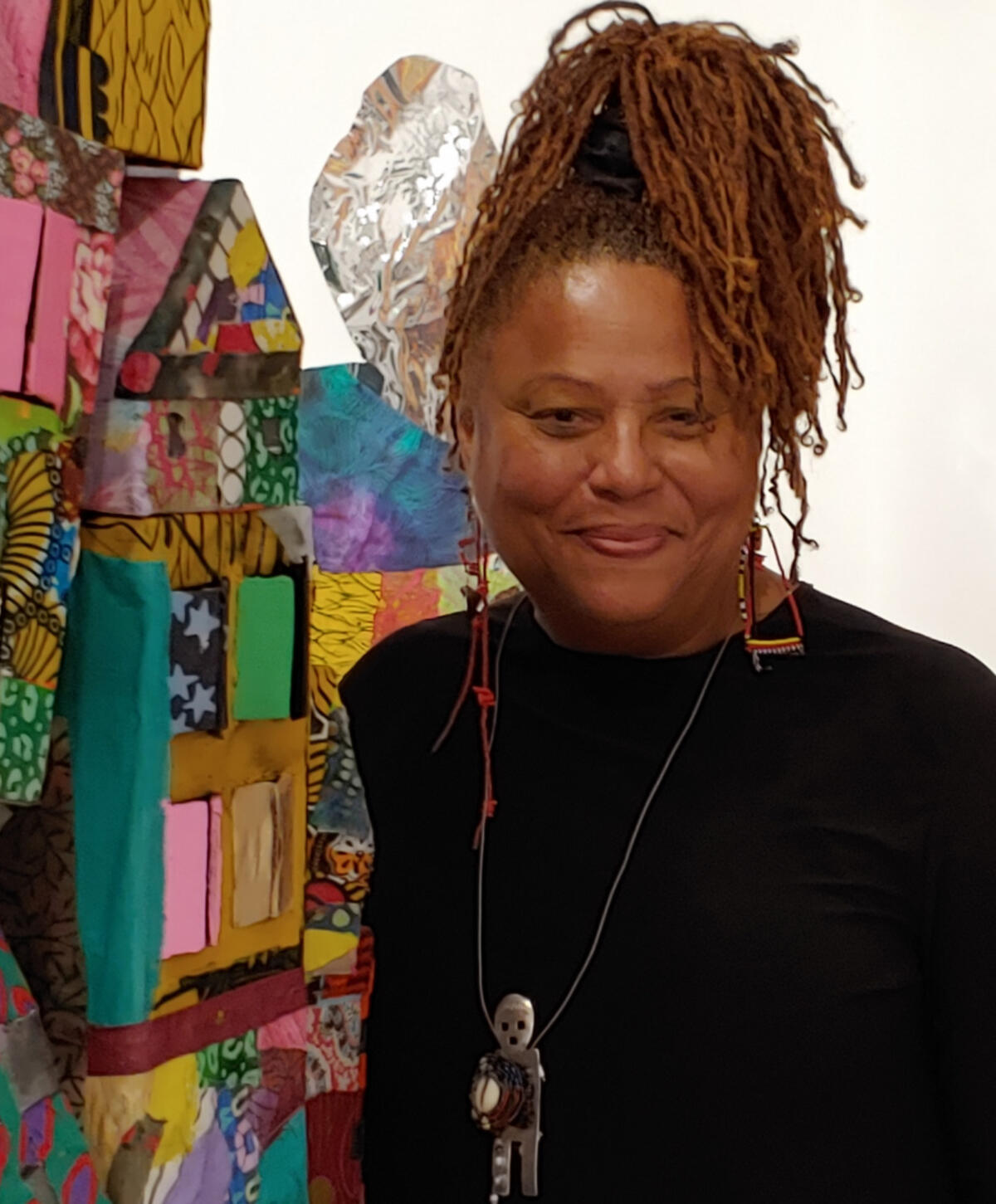
L’Merchie Frazier visual activist, public historian, educator, artist, innovator, and poet, is the Executive Director of Creative / Strategic Planning for SPOKE Arts and was formerly Director of Education and Interpretation for the Museum of African American History, Boston/Nantucket. Her innovative focus supports social and reparative justice and the quest for civil and human rights through the lens of five hundred years of Black and Indigenous history. She was awarded the Boston Foundation Brother Thomas Fellowship. Her work highlights the reparative aesthetic approach to expand the historical narrative, diminishing erasure, responding to trauma, violence, and crisis through artistic activities and public art that mirrors community. Her work is based on authentic evidence, providing place-based education and interdisciplinary history pedagogy, programs and workshops, projects, and lectures. She delivers diversity, equity, and belonging workshops for corporations and municipalities.
Frazier has served the artistic community for over twenty years as an award-winning national and international visual and performance artist and poet, in one life work “Save Me From My Amnesia”, with residencies in Brazil, Taiwan, Costa Rica, Africa, France, and Cuba. Her works mirror the community. Her artworks are collected by the Smithsonian Institution, the White House, the Museum of Arts and Design, the Minneapolis Institute of Art, and the Dallas Museum of Art. She is a State of Massachusetts Arts Commissioner. She is also a past City of Boston Artist in Residence.
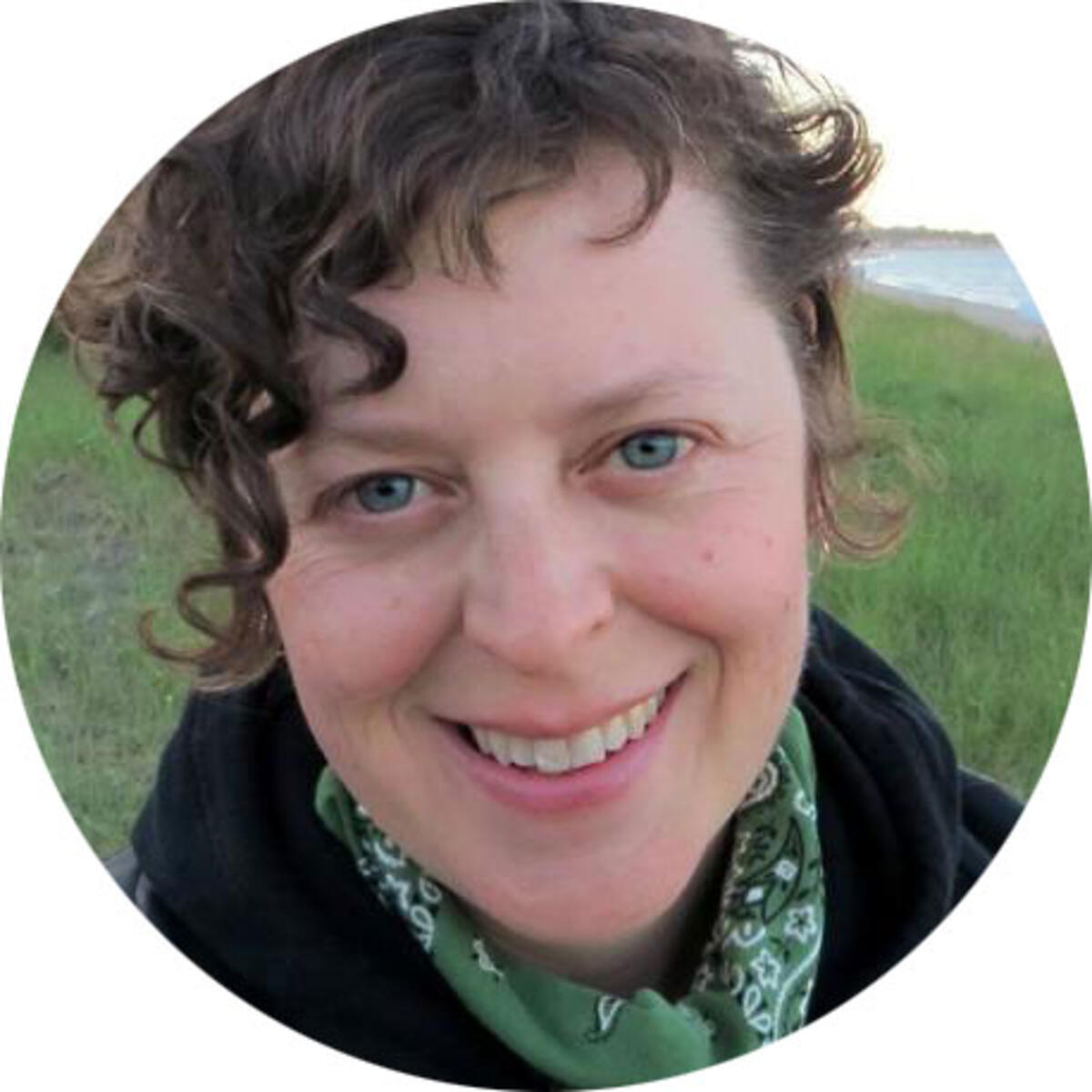
Georgie Friedman
Artist-in-Residence | Cohort 1, 2014-15
Georgie Friedman, the Department of Neighborhood Development, and Parks and Recreation Department worked with constituents to explore new uses for neglected space in the city.
"ALTERING THE CITY: VIDEO LANDSCAPE" is a proposal for a large-scale, site-specific installation that will project video of natural elements on to existing architecture. To further the City’s mission of creating vibrant and equitable neighborhoods, Ms. Friedman and DND worked on site selection with a particular focus on areas in need of revitalization.
Georgie Friedman is an interdisciplinary artist whose projects include large-scale video installations, single and multi-channel videos, and several photographic series. The City of Boston has many foreclosed, in-limbo or vacant properties, such as lots and buildings. Boston's Department of Neighborhood Development wants to revitalize these properties through its Main Streets business district program and by transferring the properties to the Parks and Recreation Department. Via the Boston AIR program, Ms. Friedman’s project creates a bridge between municipal government and community organizations interested in improving their neighborhoods with public art.
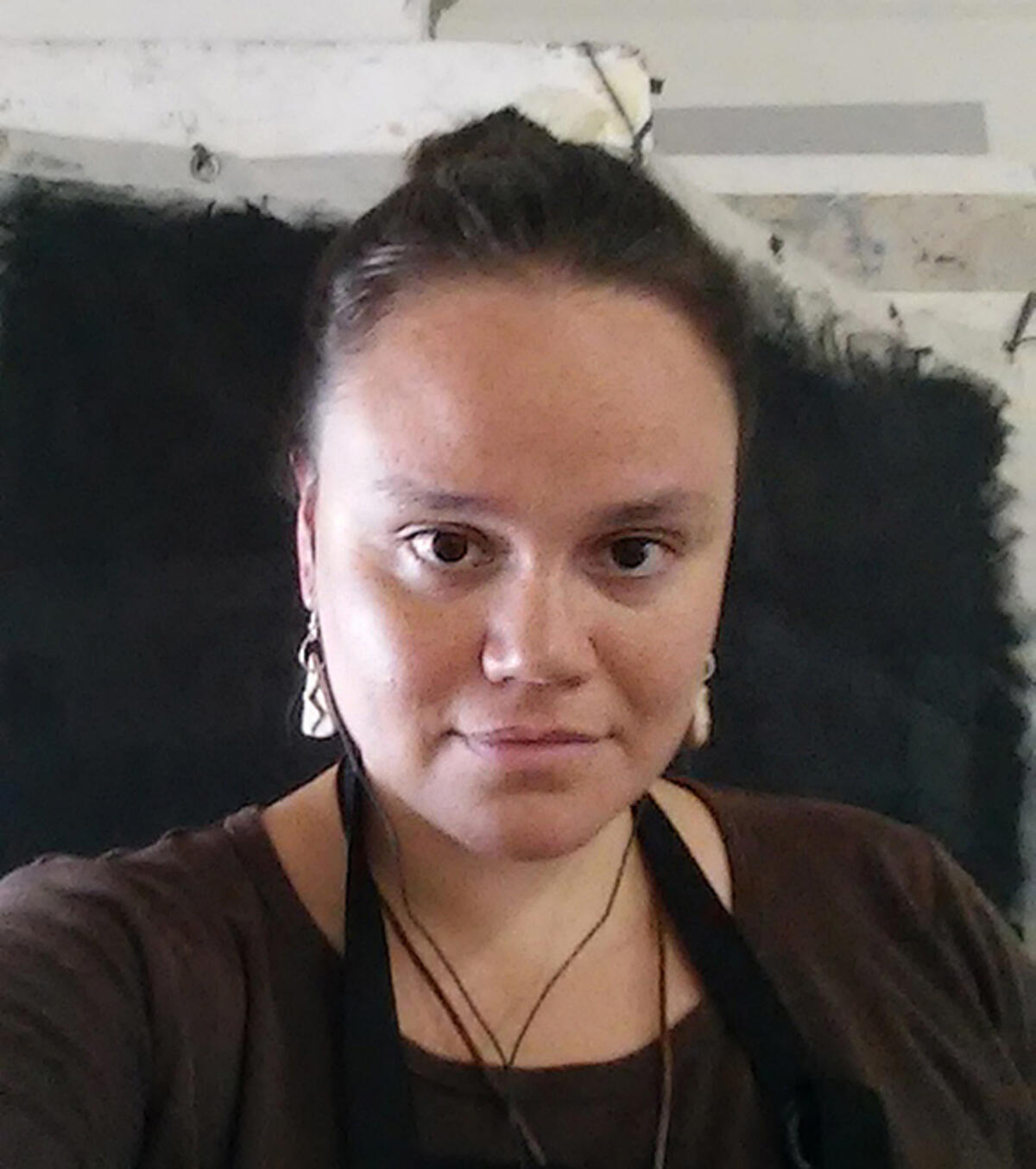
Erin Genia
Indigenous Public Art and Cultural Spaces Consultant
Erin Genia, Sisseton-Wahpeton Dakota, is a multidisciplinary artist, educator, and organizer, whose practice merges cultural imperatives, pure expression, and material exploration with the conceptual. She seeks to create a powerful presence of Indigeneity in the arts, sciences, and public realm to invoke an evolution of thought and practice that is aligned with the cycles of the natural world and the potential of humanity.
Genia earned an M.S, in Art, Culture and Technology from MIT, an M.P.A. in Tribal Governance from The Evergreen State College, and studied at the Institute of American Indian Arts. She was awarded the 2019 MIT Solve Indigenous Communities Fellowship. She received her first public art commission for “Resilience: Anpa O Wicahnpi” from the City of Seattle Office of Arts and Culture in 2017. Her work has been exhibited nationally and internationally, most recently at the Urbano Project, the Venice Biennale and the International Space Station. Erin was a 2020 Artist-in-Residence for the City of Boston.
Confronting Colonial Myths
As part of her residency, Erin led a virtual panel series called "Confronting Colonial Myths in Boston's Public Space". In this three-part series, Indigenous leaders and artists spoke about their work in the public realm. They addressed how symbols perpetuating colonial myths affect the lives of Indigenous people in the City, and how these symbols contribute to the public health emergency of racism.
View the recordings of past events:Erin also initiated the Boston Art Commission's special meeting on Indigenous Public Art and Cultural Spaces in Boston on May 25, 2021. The meeting was an opportunity to gather testimony from Native American and Indigenous community members.
Working with Emergency Management
Erin has been working with the Office of Emergency Management to explore the notion of "cultural emergency". She is encouraging the City to think beyond immediate crisis response and focus on cultural organizing strategies that create long-term health and safety for diverse communities. At the 2020 ArtPlace virtual summit, she shared her experience partnering with the Office of Emergency Management.
As part of her residency, Erin worked on creating a cultural emergency response vest out of beads. This process merged her Native traditions and her work with the Office of Emergency Management.
The Indigenous Peoples’ Medicine Fire was a collaboration between artist Robert Peters (Mashpee Wampanoag) and artist-in-residence Erin Genia, who worked together on the “Centering Justice: Indigenous Artists’ Perspectives on Public Space” symposium session, “The Legacy of Public Space on Occupied Lands”. During the symposium, Robert spoke about significance of a possible site in Franklin Park and the need for public space for the Native American community of Boston to hold cultural and ceremonial events. Erin and Robert co-organized the Medicine Fire in order to advocate for a permanent public place for Native American cultural use and stewardship in Boston and to show the necessity of such a space within City limits.
Due to our shared colonial history, the legacy of land theft and genocide of Native Americans here, and the ongoing invisibility of Indigenous people in Boston, there is a profound need for a place where people can come together to practice sacred cultural traditions, collectively heal from the intergenerational trauma created by this legacy, and assemble in fellowship to discuss ways to address community needs. Over the course of the day, an estimated 50-60 people offered their prayers to the sacred fire. The event was organized in compliance with regulations for gathering during the COVID-19 pandemic, and was successful in providing much-needed spiritual reflection for Indigenous people in our community.
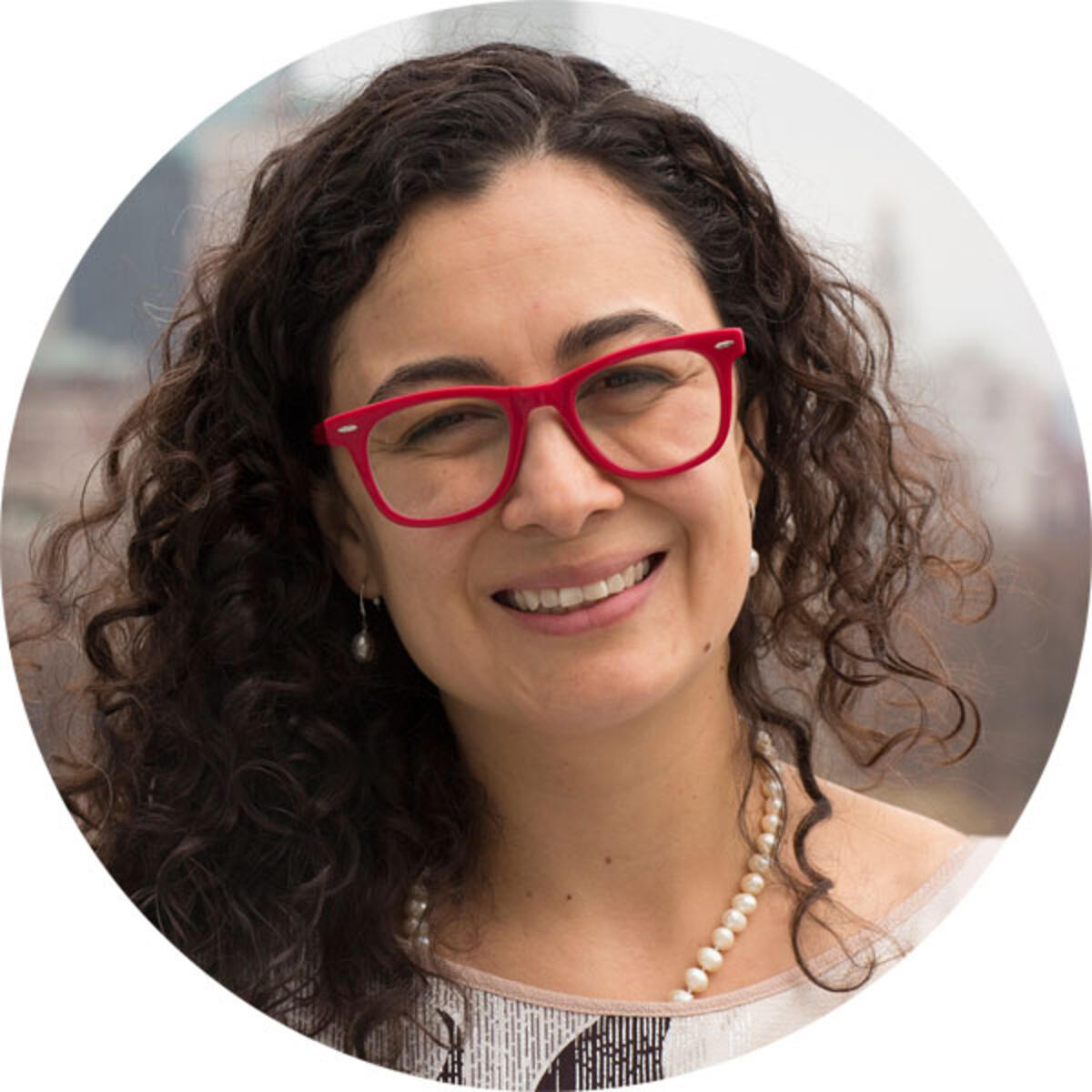
Lina Giraldo
Artist-in-Residence | Cohort 2, 2016-17
Lina Giraldo believes individuals should not just be consumers but producers. Her AIR project focused on community members as active participants in social practice through creative production. During her workshops, youth and seniors used coding and technology to build their own cameras. They later used the cameras to interview community members. The project’s primary motivation was to create ownership and understand identity using technology and storytelling. Her residency included an exhibit at Laconia gallery, creating a connection between the Hyde Park community and the Boston arts world. An interactive video installation is currently up at the Hyde Park community center. The installation allows the viewer to see themselves in the movement of the artwork.
Boston AIR has been a great opportunity and a great challenge at the same time. I love to work with the community, but because AIR is part of the city it also helped to give me resources and sometimes you don't have that by default. Having that opportunity from the start is fantastic, knowing that the city is there and they have provided all of these elements to make things happen it’s a great resource to start.
Boston AIR project
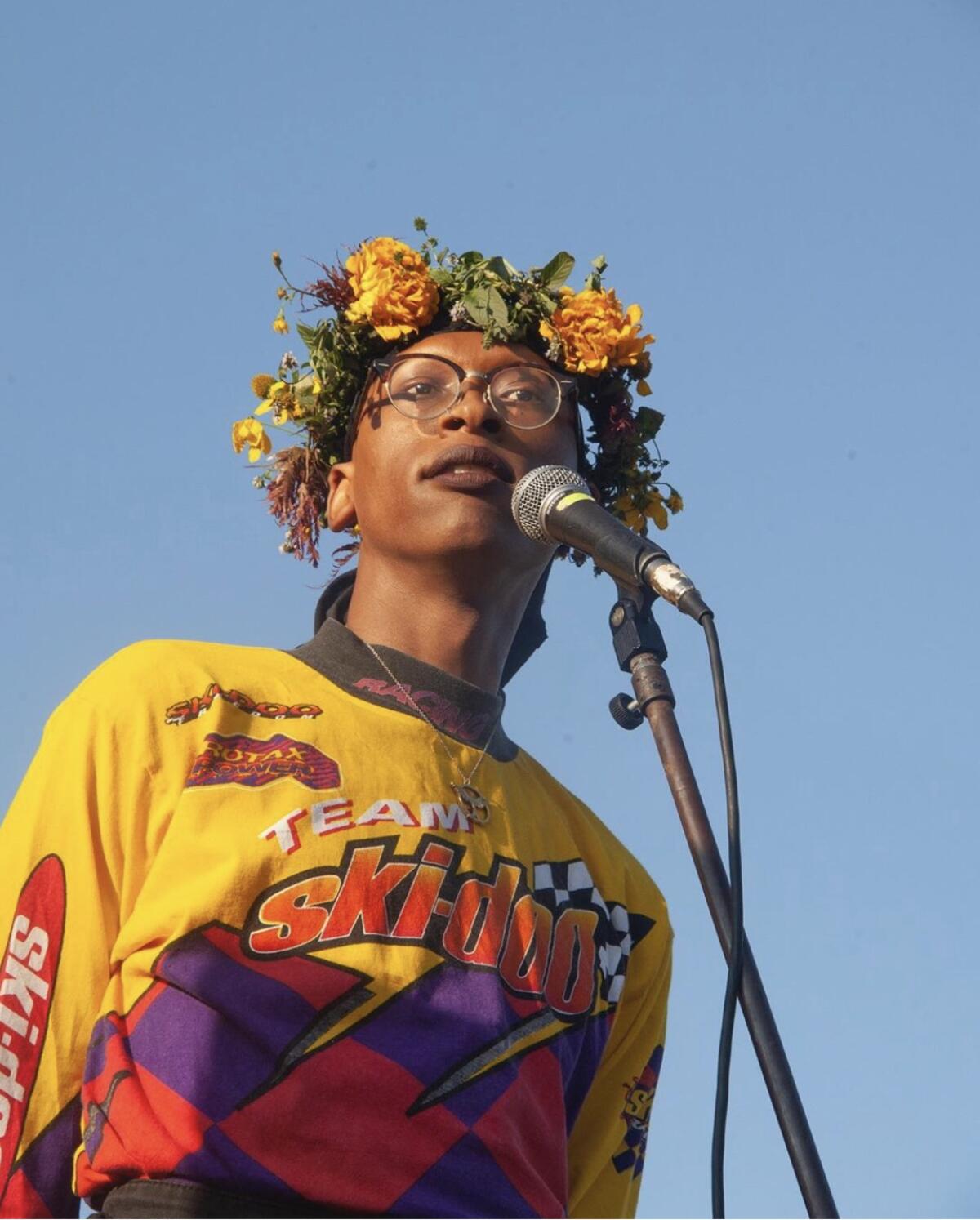
Golden
Artist-in-Residence | Cohort 4, 2020-21
Golden (they/them) is a black gender-nonconforming trans-femme photographer and poet raised in Hampton, VA, currently residing in Boston. Utilizing their lifelong proximity to bullying, homophobia, racism, and transphobia, Golden empowers conversations around trauma work, representation, blackness, Americanisms, and gender identity and expression. Golden is the recipient of a Pink Door Fellowship (2017/2019), an Isabella Stewart Gardner Museum Luminary Fellowship (2019), the Frontier Award for New Poets (2019), and a Pushcart Nomination (wildness, 2019). Their work has been featured on/at the Shade Journal, the Offing, wildness, Button Poetry, i-D, Interview Magazine, and elsewhere. Golden holds a BFA in Photography from New York University.
Rita Hester Mural
As conversations around monuments and public art continued across the nation and in Boston, Golden was moving into another phase of their residency. In the fall of 2020, they proposed a mural to honor the life and legacy of Rita Hester, a Black trans woman and beloved Allston community member who lost their life as a result of transphobia and anti-trans violence. The Transgender Day of Remembrance was started by activist Gwendolyn Ann Smith to memorialize Rita Hester and is observed annually across the world on November 20th. This mural proposal to honor Rita Hester will be the first public art piece honoring Rita Hester and others who have lost their lives due to anti-trans violence in the city of Boston.
What’s next?
As a result of Golden’s proposal, the Legacy of Rita Hester and Transgender Day of Remembrance in Allston Mural has been included as a part of the City’s Transformative Public Art Program. MOAC has hired a consultant and is working with community members to bring the mural to fruition.
'WE BEEN HERE': Poetry Month Kickback Series
In response to the current COVID-19 pandemic, Golden hosted "WE BEEN HERE" during National Poetry Month. It served as a virtual artist presentation and kickback series centering around trans and non-binary artists who are engaging with, influenced by, or in conversation with poetry.
This series was a way to compensate trans and non-binary artists internationally who have faced deficits in income due to the pandemic, as well as to create a space where they could converse, share their work, and be.
Watch the recordings:
- On Diaspora
- On Lands and Language
- On Accessibility
- For the Youth
- My Pronouns Are My Pronouns, And My Name Is My Name
Transgender and Non-Binary Town Hall
Golden and Feminine Empowerment Movement Slam (FEMS) Founding Director Zenaida Peterson co-hosted a virtual Town Hall in October 2020. The event aimed to discuss the representation of transgender and non-binary individuals in the City of Boston’s policies and processes, with a focus on naming ways the City can better support transgender and non-binary Bostonians.
They collected written and oral testimony specifically from trans, non-binary, genderqueer, and gender-expansive individuals currently living in the Greater Boston area.
Jaronzie Harris
Artist-in-Residence | Cohort 5, 2022-23
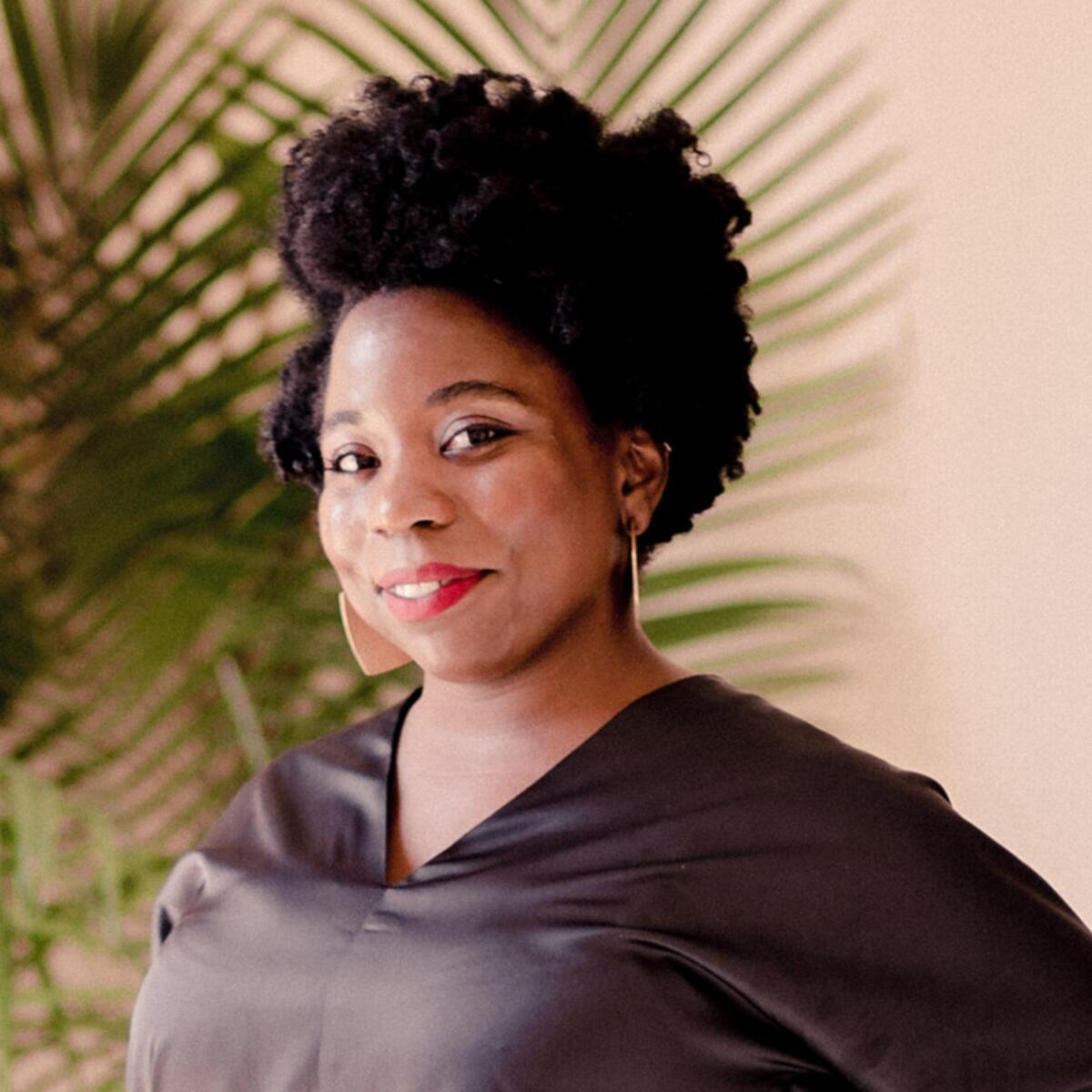
Jaronzie is an educator, playwright, and musician who uses theatre as a pedagogical tool to explore issues and topics that reflect the social and cultural interests of youth in Afro-diasporic communities. She has spent the past decade teaching and developing new works of theatre in the Greater Boston area. Her primary interest lies in using arts-based methodologies to build models for education, spiritual formation, and community care. Her teaching artistry is grounded in the values of justice and love, and through extensive collaboration efforts has produced five original works of theatre including, A Hip Hop Story, a play exploring the legacy of hip hop and its impact on mitigating violence in street culture; Rebel, a play about the Haitian Revolution; The Way, a work linking gentrification in Cambridge to neo-colonial trends; Sankofa, a history of Africans in America; and Book of Shadows, a work that revisits issues of gentrification and displacement of residents and businesses in the Port Neighborhood of Cambridge. Jaronzie is originally from Durham, North Carolina and has resided in Boston for the past 15 years. She lives in the Codman Square Neighborhood of Dorchester with her growing family of plants.

Nakia Hill
Artist-in-Residence | Cohort 3, 2018-19
Nakia Hill is a writer and educator with a track record of effectively managing and scaling writing programs for urban youth. She specializes in managing creative writing spaces for underserved youth to fuel empowerment and to discover the writer within. With a background in journalism, her work has been published in The Christian Science Monitor, Huffington Post, The Bay State Banner, and Sister to Sister Magazine. Her latest work is created through a non-fiction lens in the form of poetry and reflective personal narratives. The theme of her work focuses on womanhood, self-care, and resiliency.
'I Still Did It'
During her residency, Nakia held writing workshops at the Grove Hall Senior Center in Dorchester and led a program called "Girls, Write!" at New Academy Estates in Roxbury. During these workshops, she helped young girls and women turn their experiences with resilience into narratives. She then compiled these stories into a published intergenerational anthology called "I Still Did It," which features resilience stories written by girls and women of color ages 10 - 88 in Boston.
Women in the Workplace Survey
This survey was created by writer and Boston resident Nakia Hill as part of the Boston AIR program’s effort to explore resilience and racial equity. The survey aimed to help the City better understand how women of color are treated in the workplace in Boston. Questions were designed to get a snapshot of the experience of women in the workplace in Boston. All women who live or work in Boston were welcome to take part in this study.
This survey was anonymous and respondents had the option to share as much, or as little, about their stories to help better inform our study. This data will be used to advocate for the creation of policies to protect women and improve their experience in the workplace.
Ann Hirsch
Artist-in-Residence | Cohort 2, 2016-17
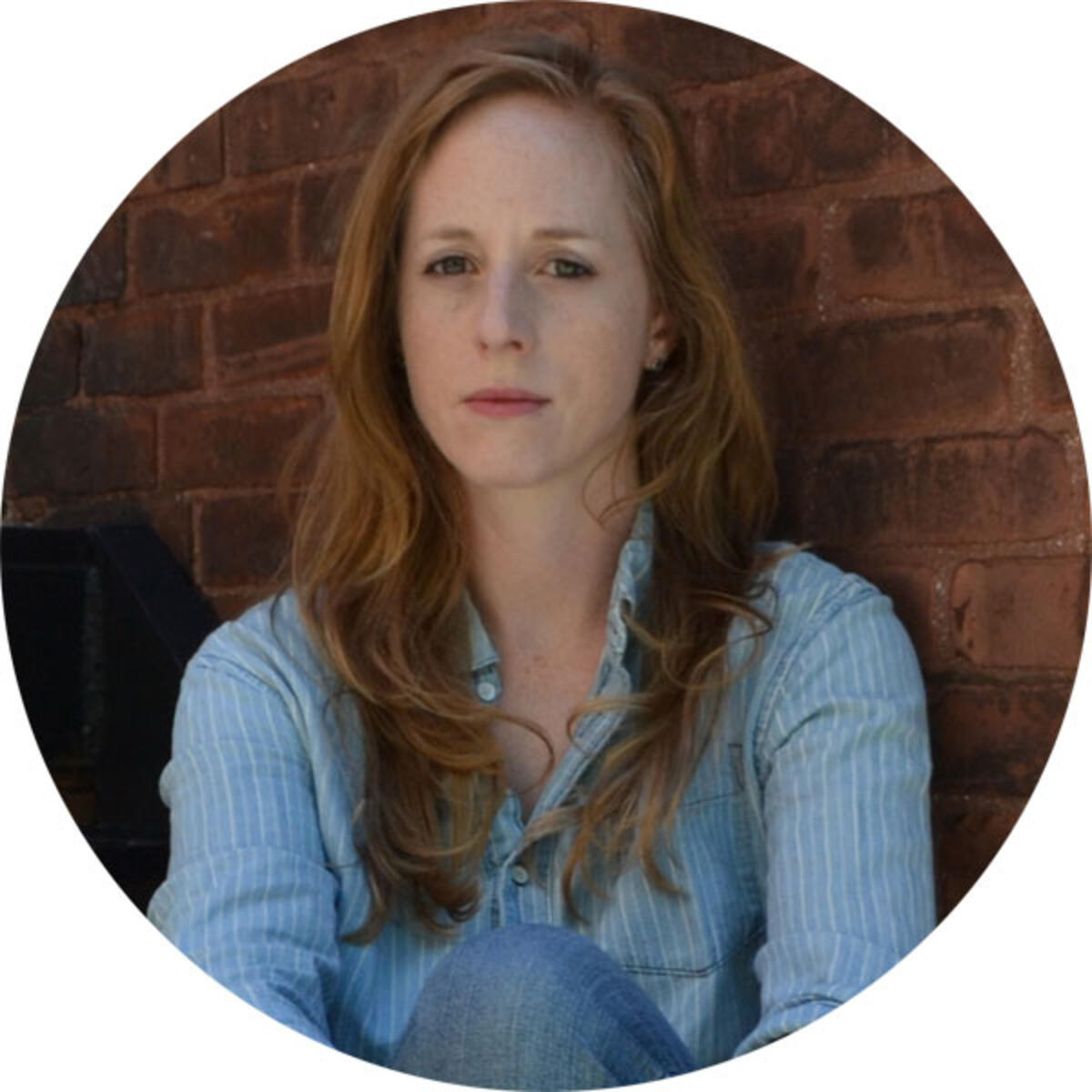
Ann Hirsch focused on making connections through public art and sculpture with many different groups of community members, especially youth. Her residency looked at the theme of hand gestures as a lens through which to explore current issues and future goals, as well as the use of non-verbal communication modes in the expression of fear, protection, and protest.
I think that artists can play a very important role in shaping government policy and practice by becoming vehicles for communities, by becoming essentially their tools. I come from a public art background and one of the things that I have struggled with is learning how to include community in a practice that is often a little bit rigid and exclusionary just because it’s very technical. Through the residency I have learned how to bring to bear some of the tools that I take to public art into a community process, and also at the same time learn how to bring a community into my process. It’s been this kind of reciprocal approach, and I think in the end I am hoping it will lead to for me a means to bring the community more into policy making and public art making.
The hand molds she created act as a time capsule for a center and neighborhood that is undergoing many changes. By casting the hands of the youth, staff, and community members she crafted a physical representation of the centers identity during that moment. Ann also initiated conversations around the need for public art within the community center. This dialogue is continuing on thanks to her support.
Boston AIR project
You can follow along through Ann's process through photos from her project.
Salvador Jimenez-Flores
Artist-in-Residence | Cohort 2, 2016-17
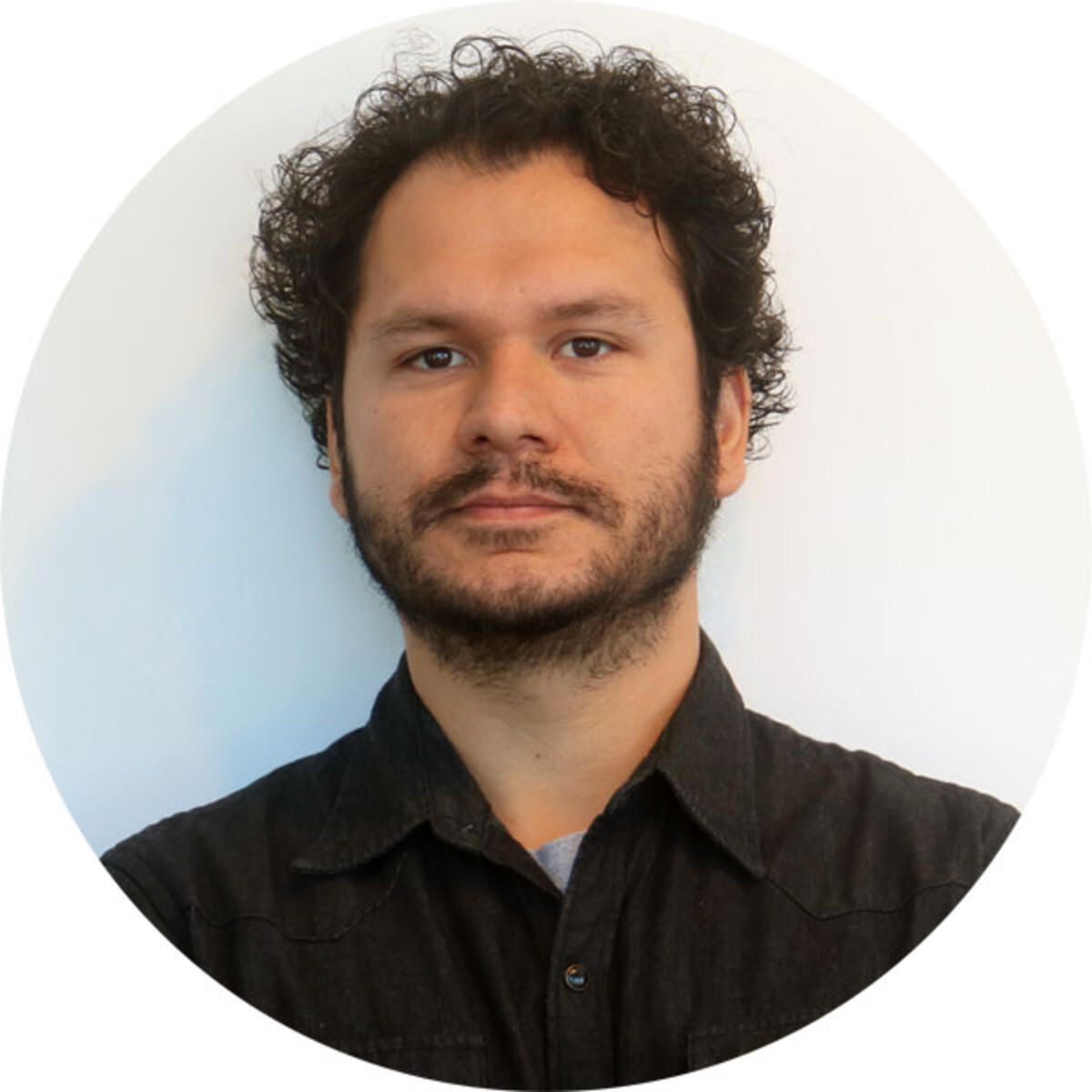
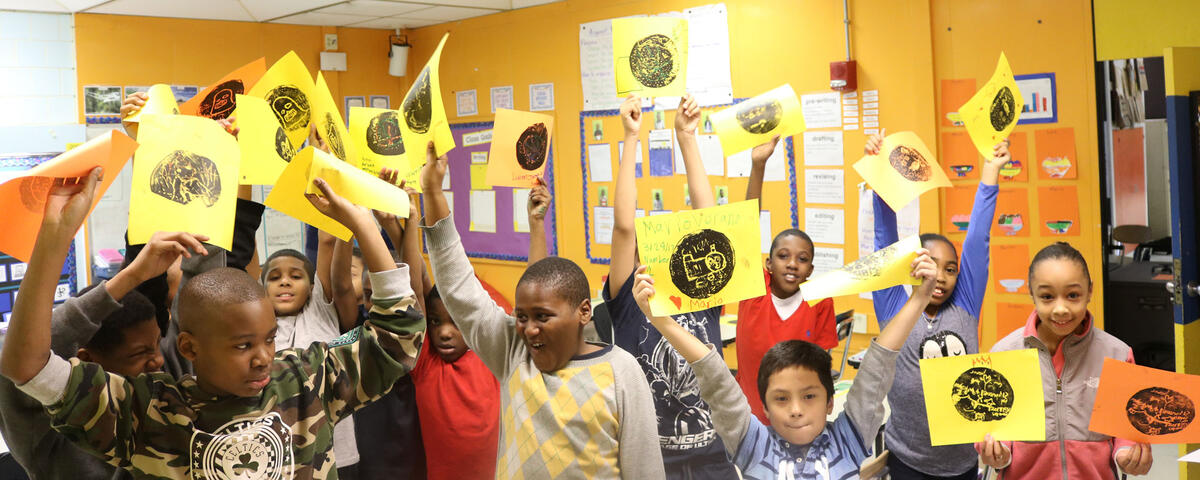
Salvador Jimenez-Flores taught the art of printmaking to over a hundred 5th and 6th graders. Through creating their own prints for Chinese fans, his residency embraced the historic and present immigrant communities that have transformed Chinatown and promoted diversity and inclusion. The final product was a three piece mural composed of individual prints from each of the students. Now hanging in the Pao Arts center, the mural is a symbol for the connectedness, and diversity within the Chinatown community.
I think the responsibility of an artist, especially when creating work that involves community, starts with listening. Try to do research based on the different things going on in that community and listen. Reach out to different community leaders and learn about the resources that exist and what the needs and wants of the communities are. Involve as many community members as possible so that they can become part of the creative process from the beginning.
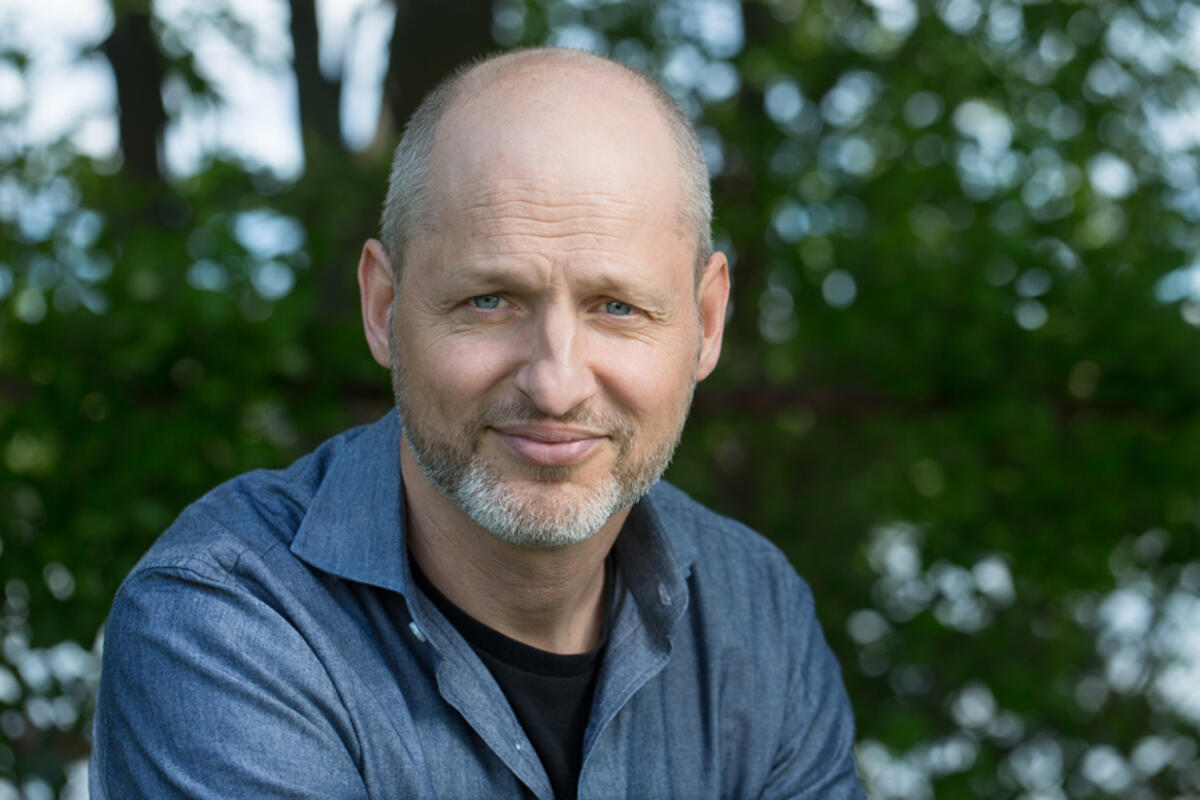
Daniel Johnson
Artist-in-Residence | Cohort 3, 2018-19
Poet Daniel Johnson is known for his early lyrical explorations of the American Rust Belt. “I grew up with the sense that something had come and gone before me, that something had been lost,” Johnson has said of his impulse to elegize and to give praise. “ 'How to Catch a Falling Knife' gives us a beautifully unpredictable account of the everyday dangers among which body and spirit must move,” a reviewer wrote of his inaugural collection. Currently, Johnson is completing, "In the Absence of Sparrows," which explores his friendship with journalist James Foley, who was executed by ISIS in Syria. For nearly a decade, Johnson served as the founding executive director of 826 Boston, a youth writing center in Roxbury.
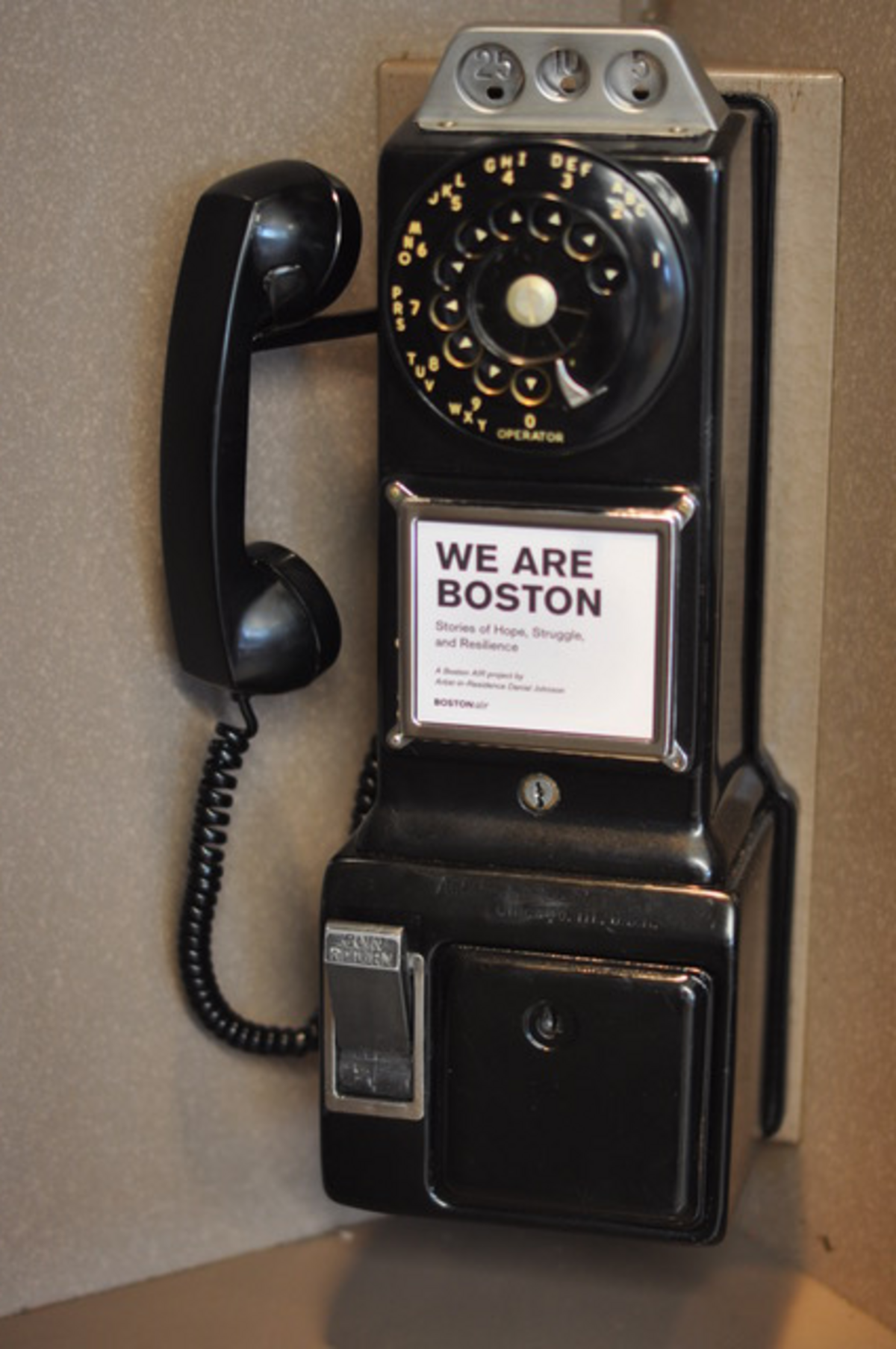
We Are Boston: Stories of hope, struggle, and resilience
For the first few months of his residency, Daniel led oral history workshops at sites across Boston, including:
- Curtis Hall Community Center in Jamaica Plain
- the East Boston Senior Center
- Harbor Health in Mattapan, and
- the Charlestown Golden Age Center.
A number of these workshops occurred in conjunction with the Elderly Commission and their ongoing Memory Cafés – events for Bostonians suffering from memory loss – held at senior centers across the City.
Participants came forward at these workshops offering to be interviewed or to interview a friend or relative. This led to the project, "We Are Boston: Stories of Hope, Struggle and Resilience," which features oral histories that he recorded of seniors from neighborhoods across the City. These oral histories traveled around the City via a 1930s-era phone booth.
Watch
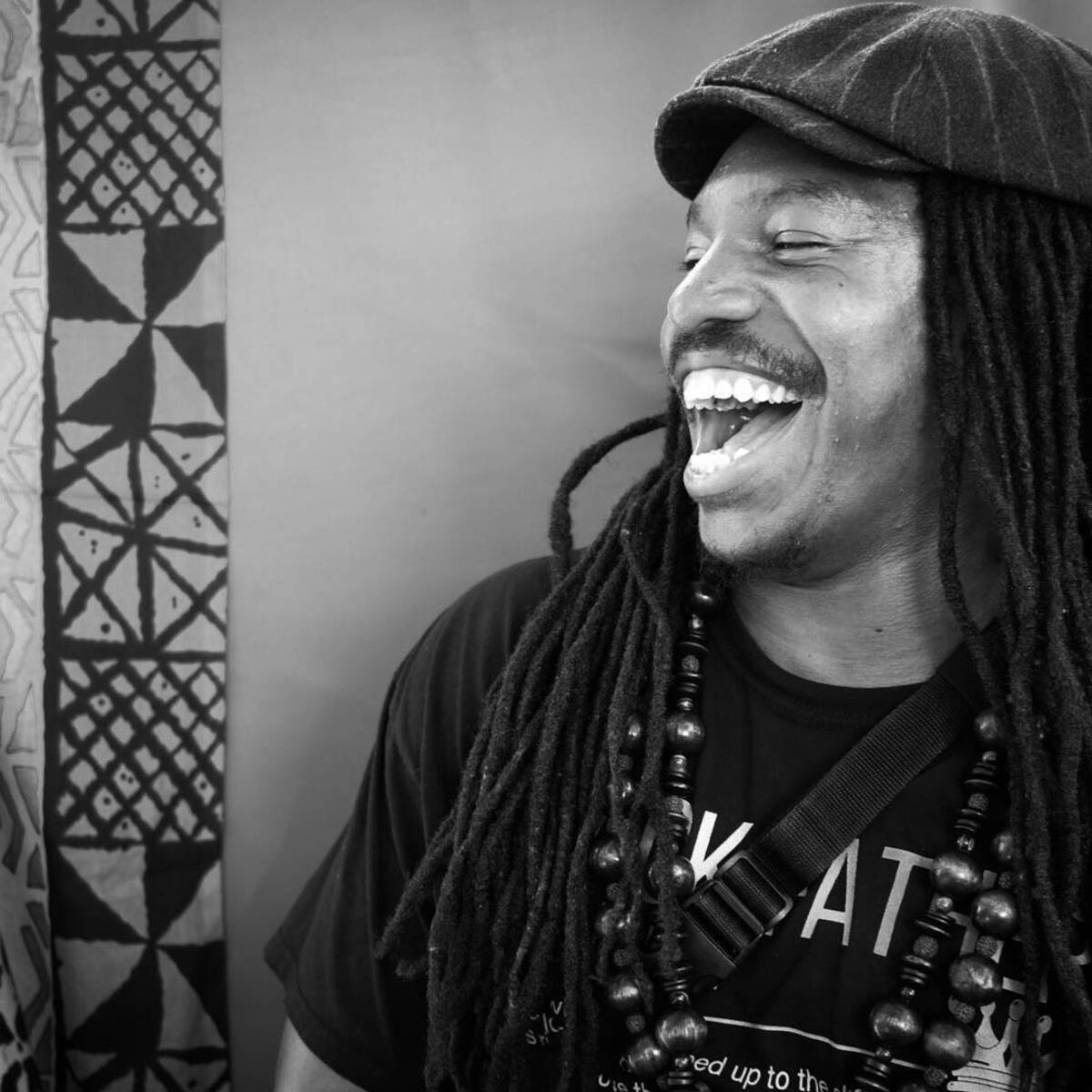
Ashton Lites
Artist-in-Residence | Cohort 5, 2022-23
Ashton Lites, also known as Stiggity Stackz, is regarded as one of Boston's most renowned veteran freestyle dance specialists, with 15+ years of intensive training in many different street styles and classical dance forms including Krump, Popping, Locking, House, Hip Hop, Ballet, Tap, Jazz, Modern, Afro- Haitian, and beyond.
Lites is an experienced event organizer, instructor, and choreographer, and is well traveled in the underground Hip Hop competition circuit. Beyond dancing and instructing, Ashton has established himself as a creative inspiration specialist and life coach through his journey of activism and public speaking in the city of Boston, focusing on improving artists' finances, health, spirituality, purpose, and creativity. He believes that if artists can succeed in these aspects of their life, they can be of better service to their community.
Shaw Pong Liu
Artist-in-Residence | Cohort 1, 2014-15
Shaw Pong Liu and the Boston Police Department led a dialogue on gun violence and race.
In collaboration with the Boston Police Department, Teen Empowerment, and the Urbano Project, musician, and composer Shaw Pong Liu prototyped ways that music can support healing and dialogue about gun violence and race between the police and the community.
Shaw Pong Liu’s proposal Time to Listen experimented with ways that collaborative music-making can create a different kind of time, connection, and space for healing and dialogue around the difficult topics of gun violence, race, and law enforcement practices. With Boston AIR and a police department recognized as a national leader in proactive community engagement, there is a unique opportunity to model innovative approaches to police-community dialogue on gun violence and race.
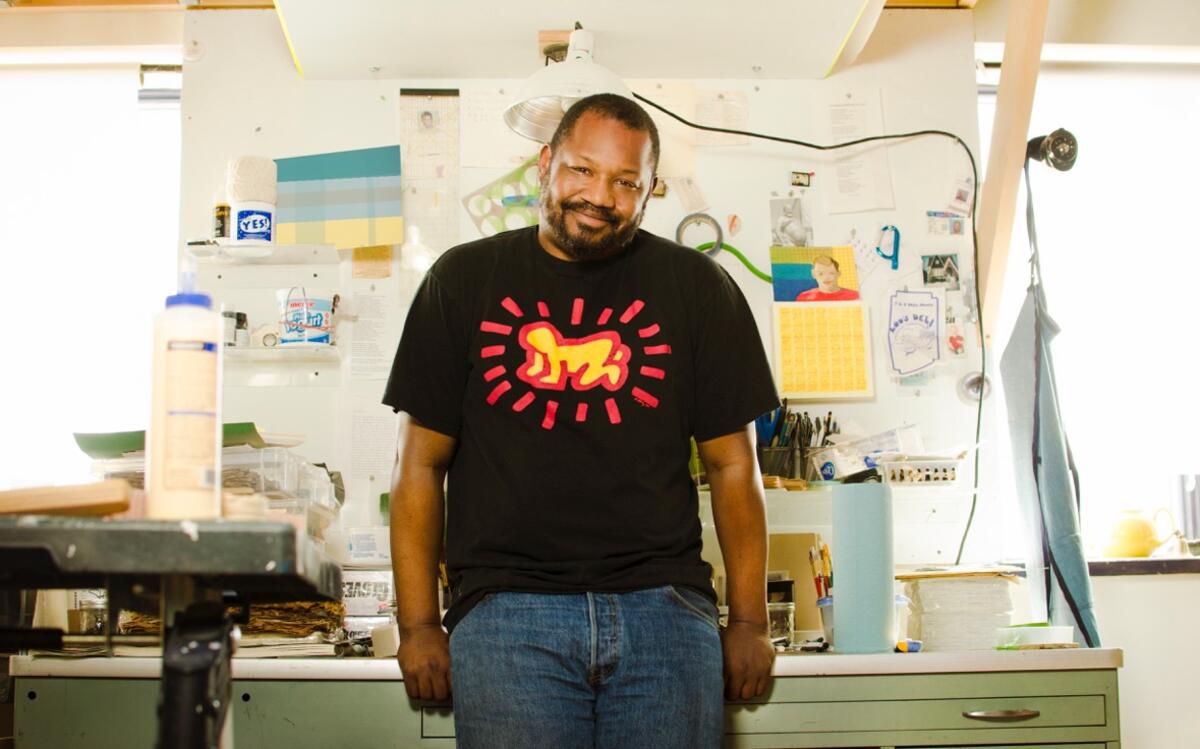
Steve Locke
Artist-in-Residence | Cohort 3, 2018-19
Steve Locke is a Boston-based visual artist, raised in Detroit, Michigan. He received a B.S. in 1984 from Boston University, a B.F.A. in 1997, and an M.F.A. in 2001 from the Massachusetts College of Art and Design. He attended the Skowhegan School of Painting and Sculpture in 2002. He has received grants from The Pollock-Krasner Foundation, The Louis Comfort Tiffany Foundation, The Art Matters Foundation, and the LEF Foundation Contemporary Work Fund Grant. His solo exhibition, "there is no one left to blame," was curated by Helen Molesworth for the Institute of Contemporary Art, Boston. His practice is rooted in portraiture, language, and the discursive power of nature. Currently a tenured professor at Massachusetts College of Art and Design, Locke has been included in group shows all over the world, and his work is in the collections of the Leslie-Lohman Museum of Gay and Lesbian Art and the Museum of Contemporary Art Detroit.
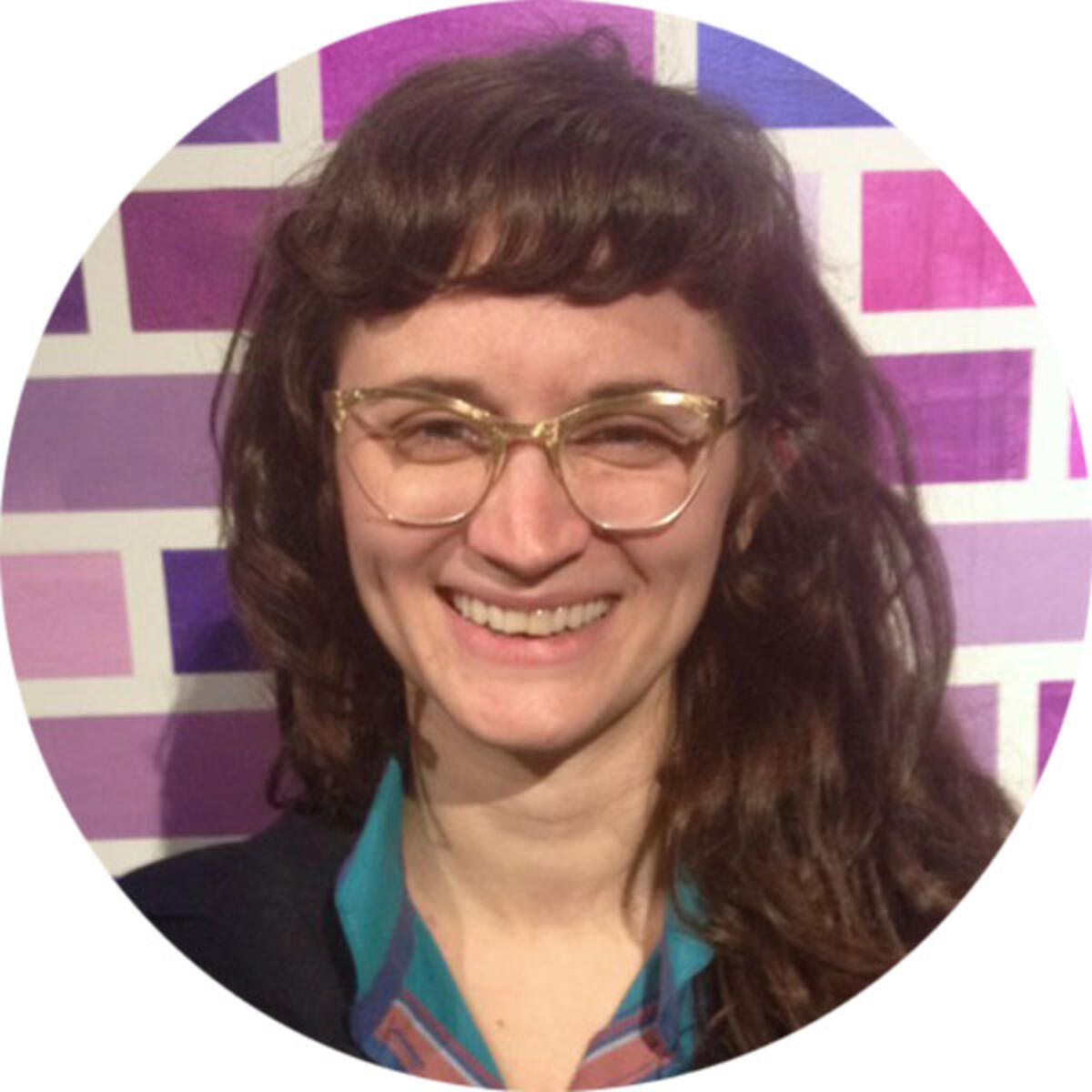
Maria Molteni
Artist-in-Residence | Cohort 2, 2016-17
Maria Molteni collaborated with youth from the BCYF Perkins after school program and peewee basketball community to draft and execute vibrant new painted designs for the Harambee Park basketball courts, neighboring the Perkins Center. Molteni aimed on centering the project on community input and narratives. She held community meetings, created zines with the youth at the Perkins BCYF and coordinated field trips to a variety of art centers to help inspire them. The product was a colorful, dynamic basketball court, filled with words and images that define the Perkins community.
Photos: Harambee Basketball Court
Maria Molteni and the Perkins Center BCYF youth repainted Harambee Basketball Court.
Boston AIR project
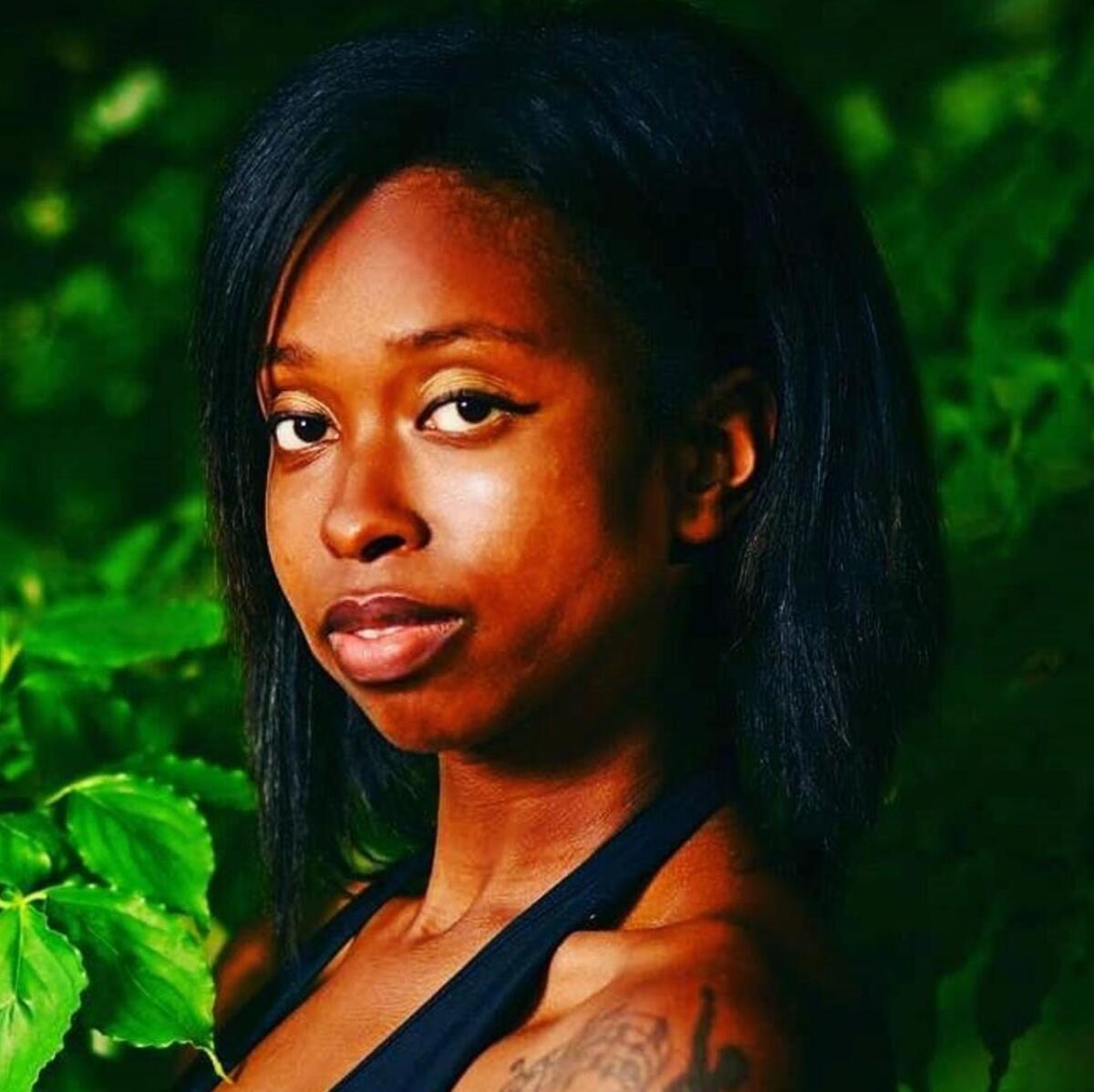
Ellice Patterson
Artist-in-Residence | Cohort 5, 2022-23
Ellice Patterson is the Founder and Executive and Artistic Director of Abilities Dance, a Boston-based dance company that welcomes artists across the nation with and without disabilities. Outside of self-produced Abilities Dance's shows, her choreography has appeared in the MFA, Links Hall in Chicago, Gibney Dance in NYC, The Series: Vol IV at the Ailey Citigroup Theatre in NYC, and more.
Patterson has lectured at workshops, schools, universities, and organizations across the country, including keynote speaker at Berklee's 2020 ABLE Conference, keynote speaker at Trauma Center's Trauma Sensitive Yoga Conference, Harvard Graduate School of Education, Fidelity Investments, Boston University, and more.
She has worked with organizations to improve their intersectional access approaches such as Record Co., Community Music Center of Boston, and more. She earned her Bachelor of Arts in Biological Sciences from Wellesley College and her Masters of Science in Management Studies from Boston University Questrom School of Business.
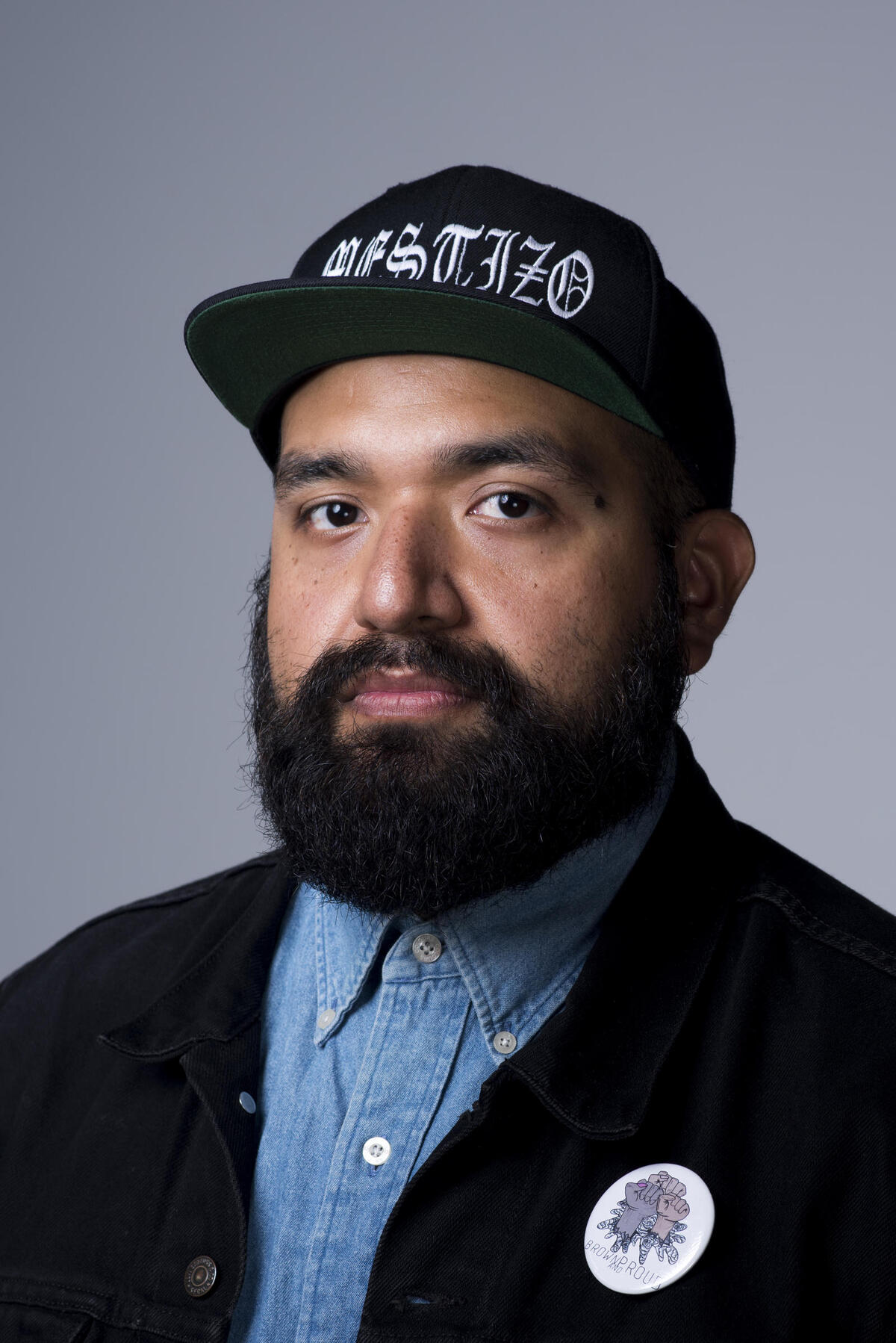
Anthony Romero
Artist-in-Residence | Cohort 4, 2020-21
Anthony Romero is an artist, writer, and organizer committed to documenting and supporting artists and communities of color. His collaborative practice engages intercultural exchange and historical narratives in order to generate reparative counter-images and social transformation. Recent projects and performances have been featured at The Bemis Center for Contemporary Arts (Omaha), the Blue Star Contemporary (San Antonio), The Institute of Contemporary Art (Boston) and the Mountain Standard Time Performative Art Biennial (Calgary, Canada). Publications include The Social Practice That Is Race, co-authored with Dan S. Wang, and the exhibition catalogue Organize Your Own: The Politics and Poetics of Self-Determination Movements, of which he was the editor. He is a cofounder of the Latinx Artist Visibility Award, a national scholarship for Latinx artists produced in collaboration with artist J. Soto and OxBow School of Art. Romero is a Professor of the Practice at the School of The Museum of Fine Arts at Tufts University and is a fellow at the Radcliffe Institute for Advanced Study at Harvard University.
Anthony worked with the Mayor's Office for Immigrant Advancement, which seeks to strengthen the ability of immigrants and Boston’s diverse cultural and linguistic communities to fully participate in the economic, civic, social, and cultural life of our great City, and promote the recognition and public understanding of immigrant contributions to Boston.
Anthony's Project
Boston Eviction Defense Stations (BEDS), was a collaborative project that responded to the onslaught of mass evictions as a result of COVID-19 economic instability and Boston’s ongoing housing crisis by providing residents who are experiencing housing insecurity with the technological access and legal knowledge to defend themselves against eviction.
Each Eviction Defense Terminal was designed to be mobile, easy to use, and was equipped with a laptop, printer, list of resources, and access to the legal tools, community building, and support necessary to defend against eviction.
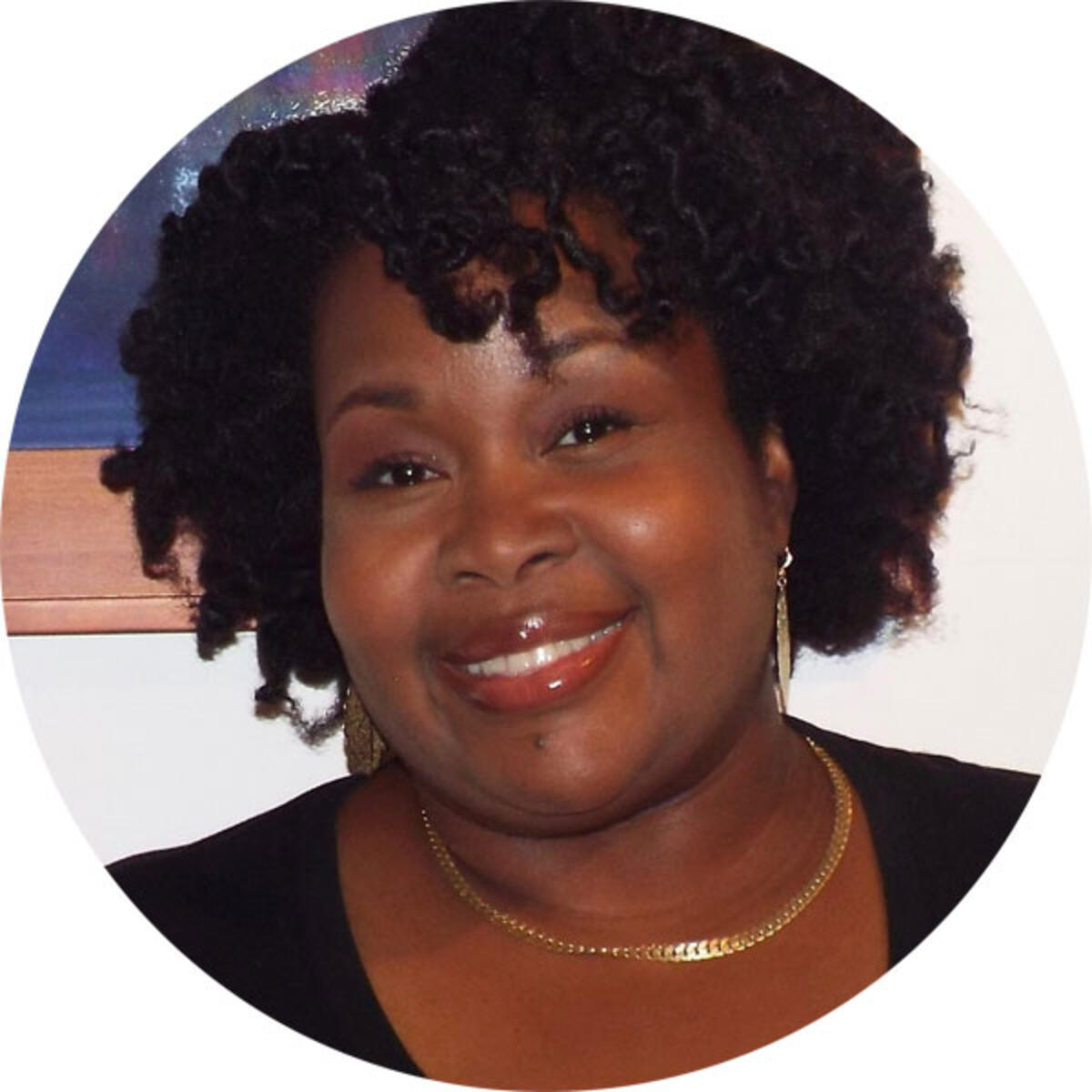
Marjorie Saintil-Belizaire
Artist-in-Residence | Cohort 2, 2016-17
Marjorie Saintil-Belizaire aimed to reshape the Mattahunt Community Center (MCC) as an arts and cultural space to convene, engage and to better reflect and celebrate community, local arts, culture, heritage, entrepreneurship, while also honoring BCYF’s ACES (Arts, Community and Civic Engagements, Education and Sports) framework.
People thought why don’t we have an art gallery? And that’s when I thought about this place [The Mattahunt], creative placemaking. Well, we don’t have a gallery but we can turn this place into a gallery. That’s when we did the community art festival. We hung up all the artwork, we had dancers and students, and all of these people were from the community. We have the Mattahunt, and we can use it do all of these things.
Marjorie held a series of art workshops and classes, and coordinated art centered cultural events for the Haitian community in Mattapan. In this way, her investigation of the Mattahunt has acted as pilot and a model for systematic change within the BCYF.
Community painting workshops
Marjorie held a series of workshops at the Mattahunt Community Center.
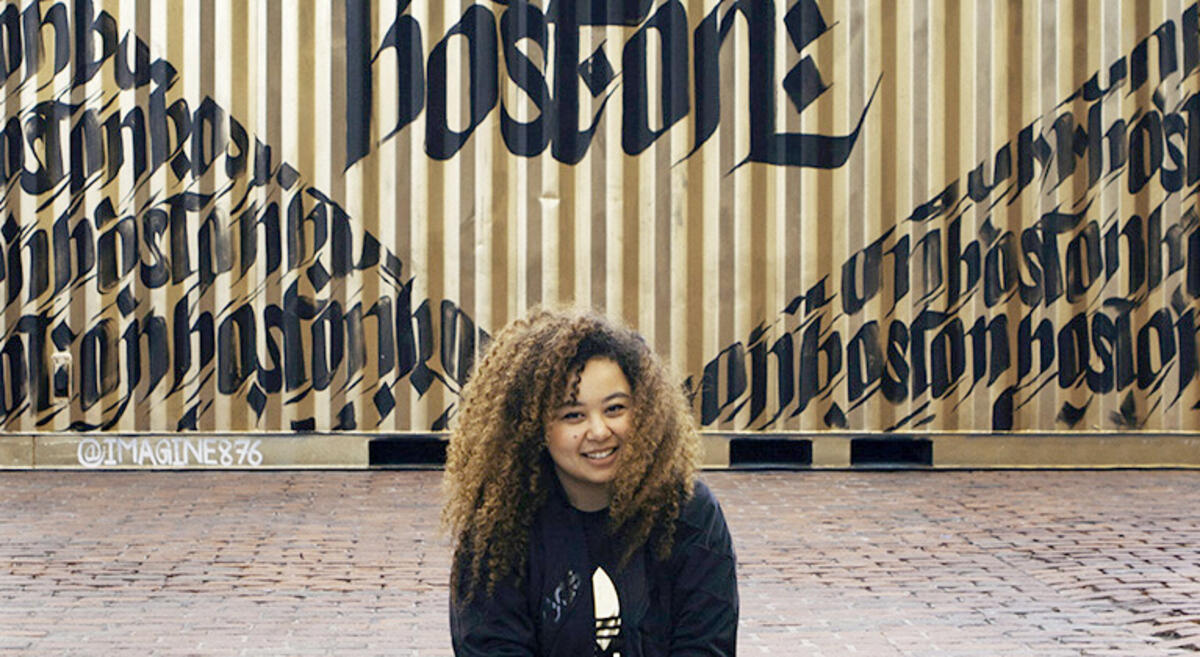
Sneha Shrestha
Artist-in-Residence | Cohort 3, 2018-19
IMAGINE (aka Sneha Shrestha) is a Nepali artist who paints mindful mantras in her native language and meshes the aesthetics of Sanskrit scriptures with graffiti influences. When not painting these intricate pieces, Sneha paints bold, larger than life murals. Being the first to mesh Nepali Alphabets with American graffiti, she has shown her work in several exhibitions, and commissioned works and public walls around the world, including Boston, San Francisco, Bali, Istanbul, Geneva, and Copenhagen. Sneha graduated from Harvard Graduate School of Education with a Master’s in Education. During her time at Harvard, Sneha explored effective leadership in education and the intersections of creativity, learning, and technology. Currently she is working as the Founder and Senior Advisor of the Children’s Art Museum of Nepal, where she is passionate about designing creative learning experiences for young people.
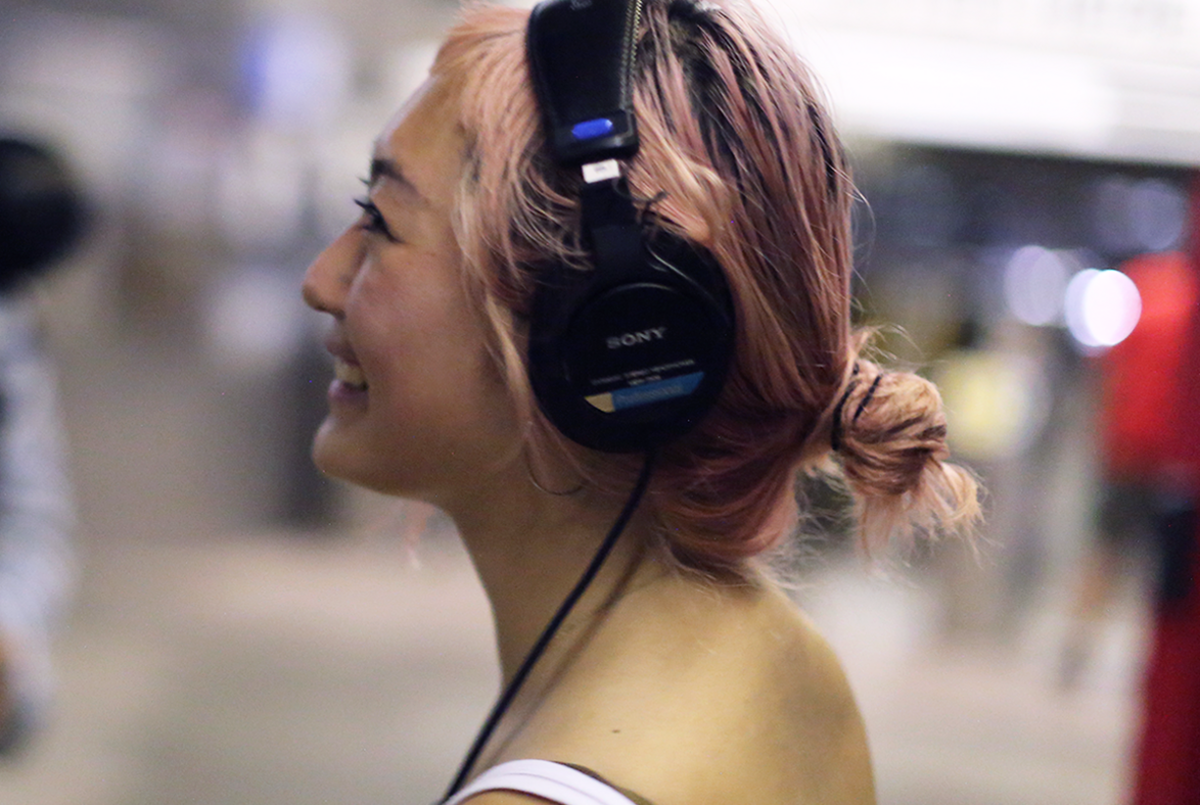
Melissa Teng
Artist-in-Residence | Cohort 5, 2022-23
Melissa Teng is a Chinese American artist, designer, and writer who has lived in the Boston area for most of her life. At its heart, her creative practice explores how stories can reveal and embrace the interconnections between how we care for ourselves and how we tend to our collective memories, our environment, and our shared futures. Her process is deeply informed by the creative relationships she has developed with community members and friends who work from their strengths and experiences of social and political marginalization. Storytelling and participatory making are central to her practice, which often culminates in interactive, immersive, and/or public art works.
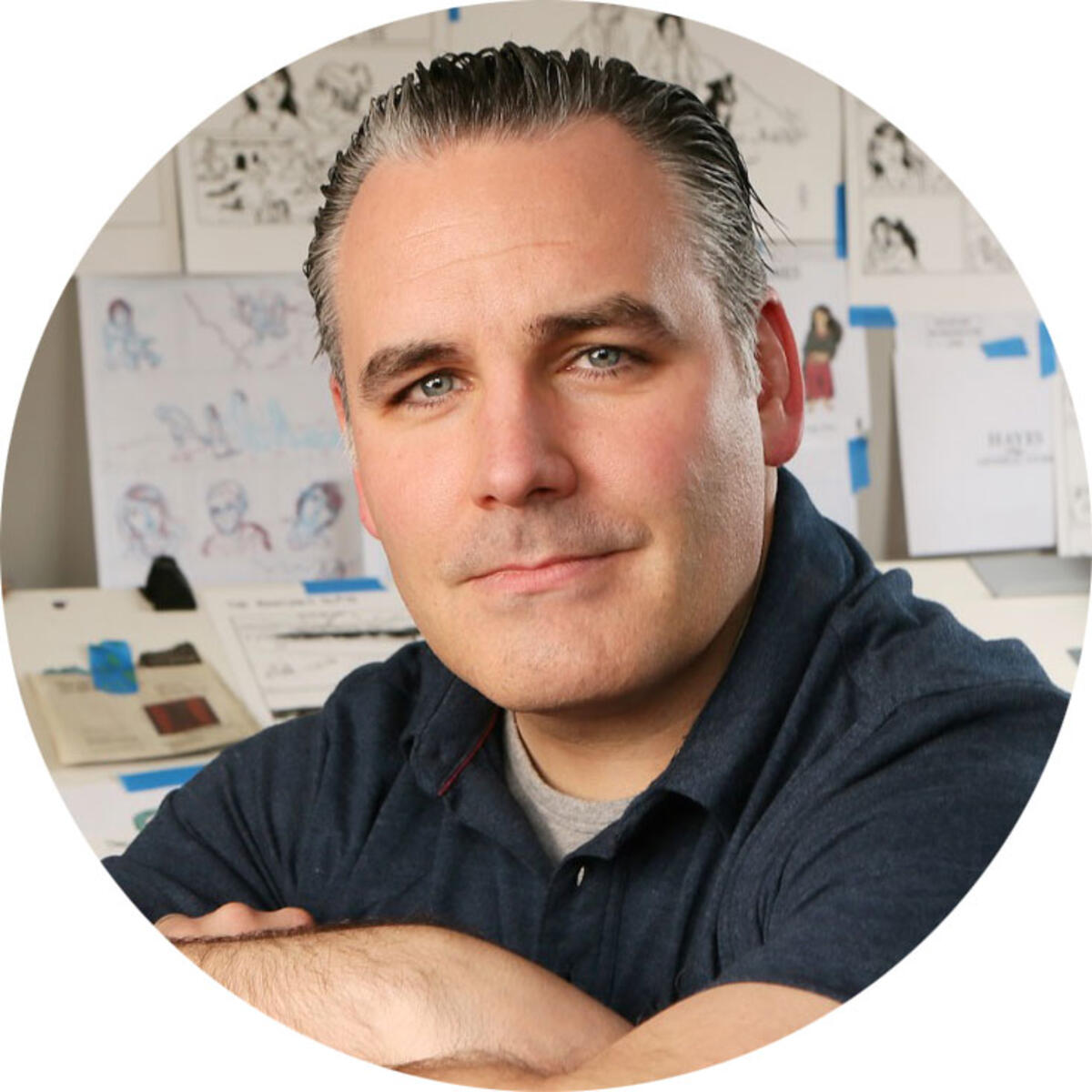
John Walsh
Artist-in-Residence | Cohort 2, 2016-17
John Walsh interviewed immigrants, writing and illustrating their stories. Through sequential art, these immigrant experiences were presented in a new and unique way that allows for easy translation into other languages.
I think that's one of the great things of Boston AIR, and I’ve heard it from the other artists as well, this sense of connectedness now to the groups we’ve worked with. There’s kind of a glue, not only between the cohort but the people we’ve worked with and the community and the people from BCYF. There’s a glue now, and I think it’s really cool.
With support from the Mayor’s Office of Immigrant Advancement, Walsh crafted the honest conversations he had into a visual narrative of Boston’s immigrant community. His project resulted in a graphic novel entitled "Becoming Boston."
David Leonard's Story
Walsh's residency project was a graphic novel titled, "Becoming Boston". Part of the novel featured David Leonard, president of the Boston Public Library.
Naiara Plina's Story
Another part of Walsh's graphic novel, "Becoming Boston," features Naiara Plina, and her experience immigrating to the United States.
Maria's Story
Another part of Walsh's graphic novel illustrates the story of Maria, an immigrant who moved to Boston from Honduras 16 years ago.
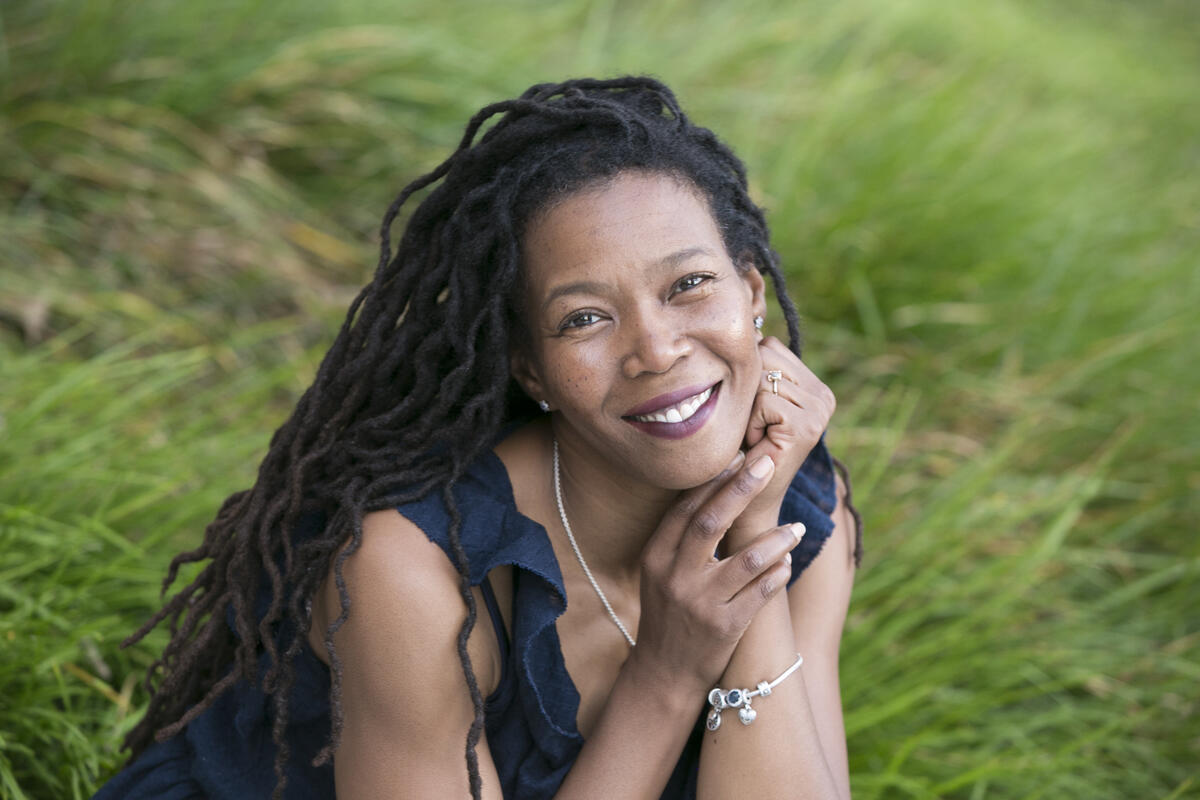
D. Farai Williams
Artist-in-Residence | Cohort 3, 2018-19
D. Farai Williams, Founder and Facilitator with Dynamizing Equity (dEQ) and Idjeli Theater Works (ITW), is an artist, theater of the oppressed facilitator, racial equity strategist, and cultural organizer. “I use theater and culture-based tools as a method of personal and social inquiry; to synergize the head, heart, and body for radical healing. By acting and dramatizing personal stories, our reflective minds begin to shape stronger ideas against racial oppression and inequity, particularly the racial oppression we have internalized," said Williams.
Farai holds a master’s of fine arts degree from the Institute for Advanced Theater Training at the American Repertory Theater at Harvard University and Moscow Theater Arts. She currently serves as a partner and racial equity strategist with The Disruptive Equity Education Project (DEEP). She is also the Core-Coordinator for the Network of Immigrants and African Americans building Solidarity and a faculty member with Southern Jamaica Plains’, Racial Reconciliation and Healing Project.
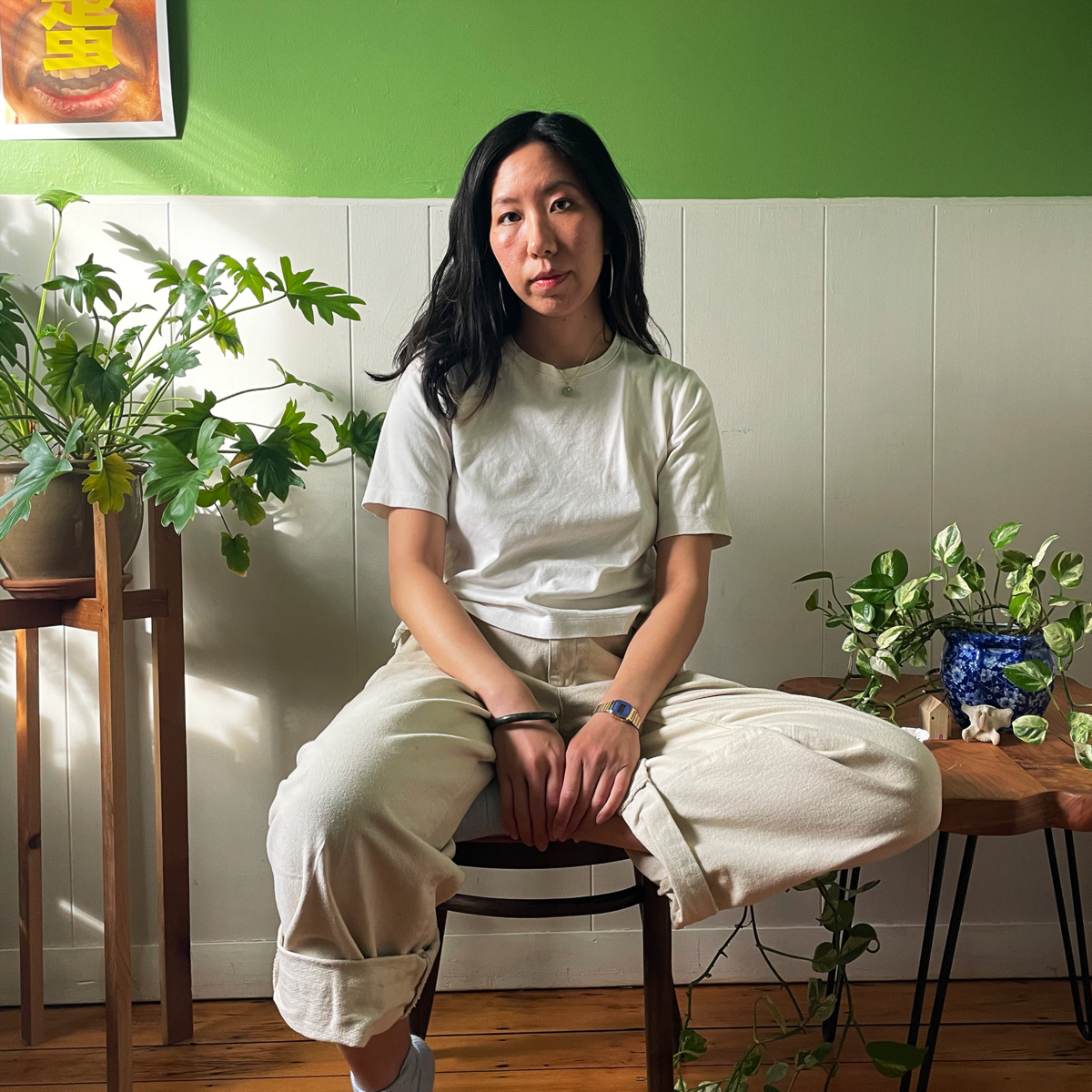
Lily Xie
Artist-in-Residence | Cohort 5, 2022-23
Lily Xie is a Chinese-American artist and educator whose socially-engaged work explores desire, memory, and self-actualization for communities of color. Since 2019, her practice has been rooted in Boston Chinatown. In collaboration with local residents and grassroots organizers, she facilitates creative projects around themes of public space, housing, and racial justice. The work they create together often takes the form of illustration, print media, video, and installation.

Victor Yang
Artist-in-Residence | Cohort 4, 2020-21
For the past decade, Victor has been working with people to tell their stories. Stories that articulate hard truths, demand change, and inspire others to do the same. As an artist-in-residence, he is excited to bridge City Hall and Boston streets in this project — to play accomplice to individual imagination and to collective vision. As an organizer, he has supported local community leaders to run national campaigns for immigrant rights, stop ICE deportations, and double voter turnout in communities of color. He earned an MFA in fiction from Boston University, and he has a PhD in Politics from the University of Oxford, where he studied movements for racial equity. His writing has appeared in The Boston Globe, Longreads, The Rumpus, and The Southern Review, among others. He was a 2020 finalist in The Chicago Tribune’s Nelson Algren Literary Contest.
Victor is an immigrant, and for immigrants, the notion of home can be complicated. Yet he unequivocally claims Boston as home, this place that has given him so much, and this place he hopes to give back to. As for his first home, his parents have and always will be his biggest inspiration.
Victor worked with the Boston Public Health Commission’s Violence Intervention and Prevention Initiative (VIP), which aims to prevent violence through building and sustaining strong communities where residents are knowledgeable about the root causes of violence and empowered to address them.
- Read Victor's blog post about storytelling in the Boston AIR program.
- Watch: Writers in Residence Instagram Live Discussion
Victor's residency project
In his residency, Victor worked with a core group of high school students in a program they call VIP-AIR. This is their philosophy: We talk about young people as our hope for the future. Yet young people, especially young of people of color, spend much of their lives taking direction from others: parents, teachers, and others.
VIP-AIR is a different space. It is a space that young people own. It is a space where young people write the stories they want to tell — through individual words and collective action. After a six-month process of storytelling and strategy training, the youth of VIP-AIR have launched an initiative called HealthComesFirst.
This is what they believe: Students should be able to excel in school without being driven to tears and sleepless nights. We can and should make space in the school day to attend to our wellness. In this time of pandemic, we re-envision how we talk about mental health, be more honest about struggles, and offer new ways to care for each other.
Victor’s residency work built on VIP’s existing model of leadership within the Youth Organizing Institute. It aimed to build capacity for the program in its storytelling and struggles for social change.
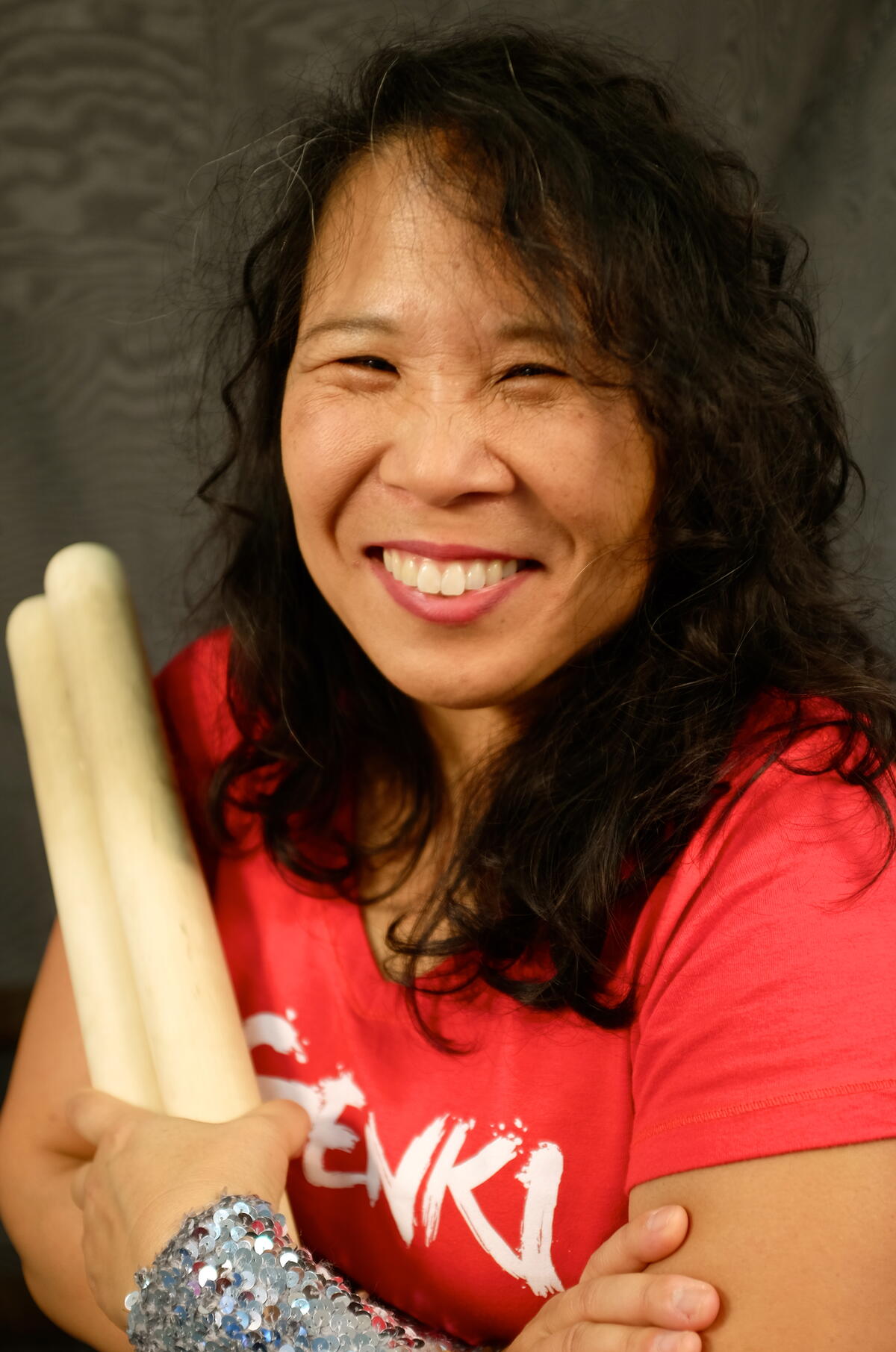
Karen Young
Artist-in-Residence | Cohort 3, 2018-19
In her decades-long work as a community builder and performer, artist Karen Young inspires real connection. Her personal story of disenfranchisement compelled her to find her own voice and use it to help others find theirs. Her passion for taiko drumming was ignited the first time she heard it thirty years ago. It is now the center of her work. Turning aspiration into realization, Young’s approach to taiko inspires marginalized populations to reclaim voice, culture, power, and a sense of belonging. Influenced by Japanese-American taiko activists of the 60s, Young is the fire behind The Genki Spark, a multi-generational, pan-Asian women's arts and advocacy organization that uses taiko drumming, personal stories, and creativity to build community, develop leadership, and advocate respect for all.
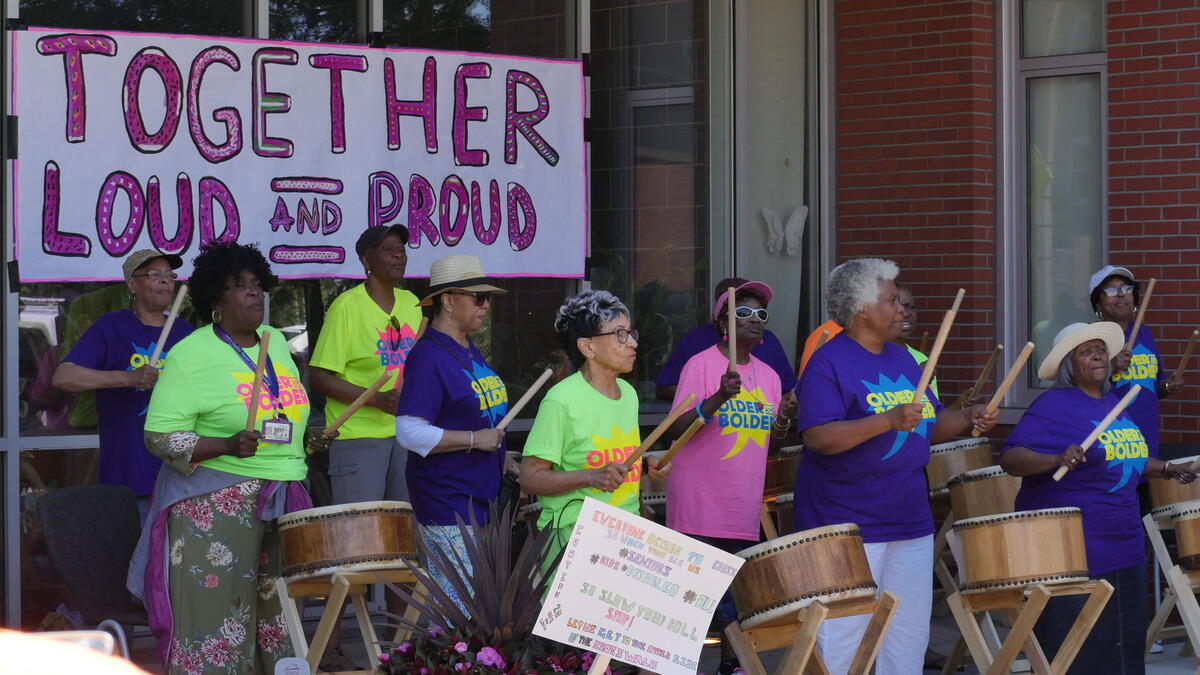
Boston AIR Project: Older and Bolder
"Older and Bolder" is an elder voice project designed to engage, empower, and make elders of color visible in Boston. Based at BCYF Grove Hall Senior Center, Older and Bolder utilizes Japanese taiko drumming as a vehicle to command space and attention. Working with Age-Friendly Boston, one of their key achievements was partnering on an event to bring awareness to a dangerous crosswalk where cars would not yield to pedestrians.
Latest news
NewsNo related posts are available at this time.
Who's Involved:

-
Have questions? Contact: